Français
 Italiano
 Deutsch
 Español
 Português
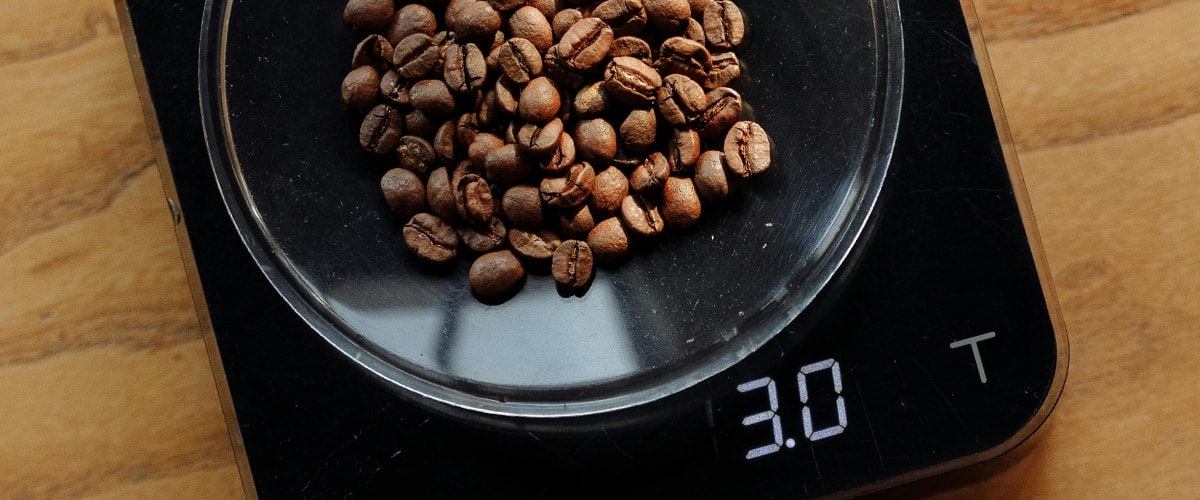
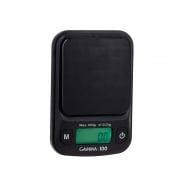
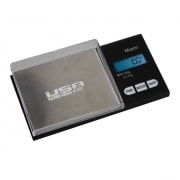
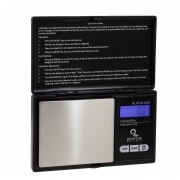
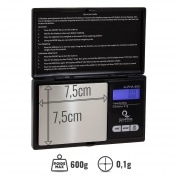
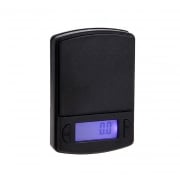
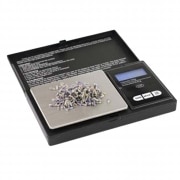
When it is necessary to make a very precise weighing, a simple scale is not enough. A fully electronic instrument, the precision scale is used in laboratories, by jewelers, in the kitchen, and even in the world of tobacco. A closer look at this measuring tool and its possible uses.
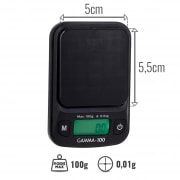
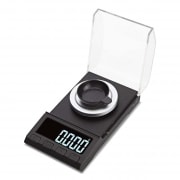
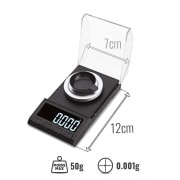
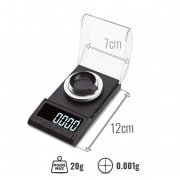
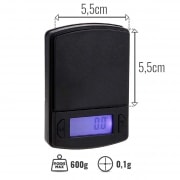
The precision scale can weigh from a hundredth of a gram up to several kilograms. It is a very sensitive measuring device and therefore requires great care. Indeed, some models are even equipped with a glass enclosure so that no dust or draft can destabilize the pan.
Of course, it should also be placed on a flat and solid surface, protected from vibrations. The unit of measurement used for these prototypes is the gram or the milligram.The lever of these balances has knives as a fulcrum. Finally, the balance is adjusted using a spirit level and always when it is not powered. Make sure the balance is correctly set to zero before any weighing.
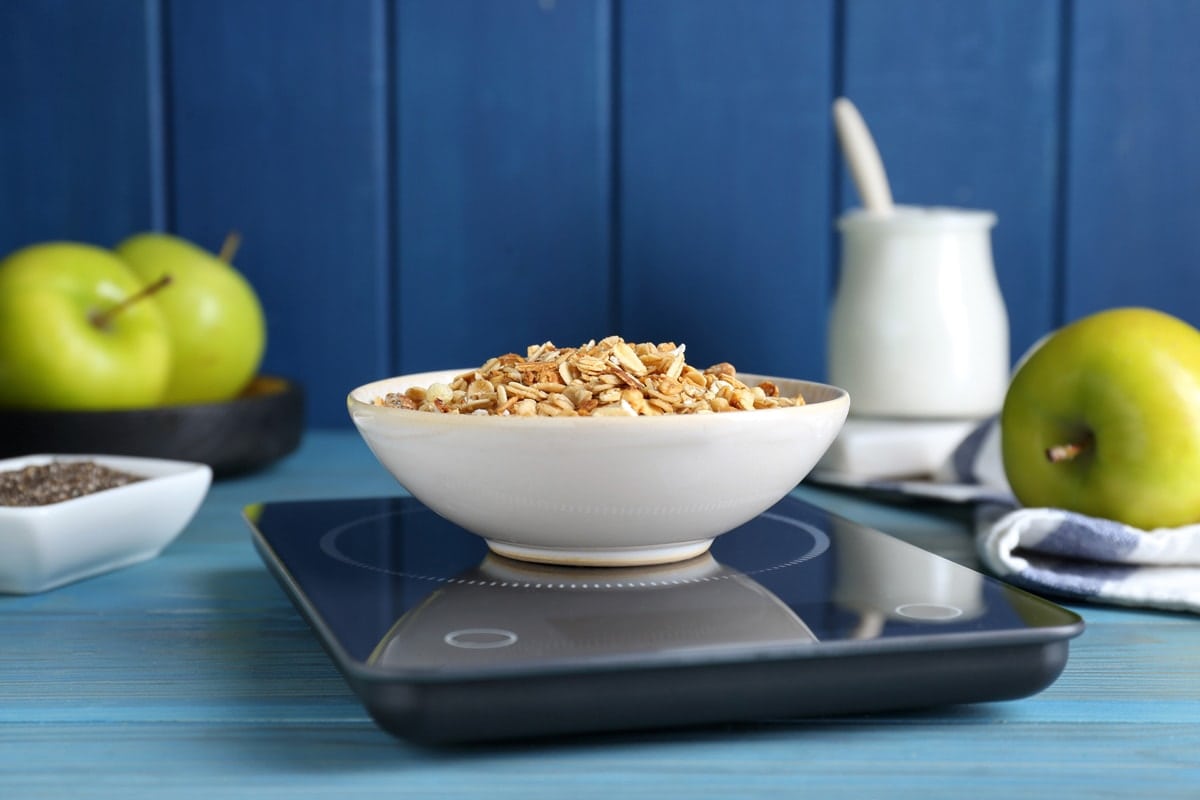
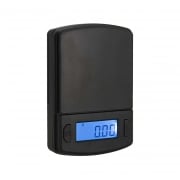
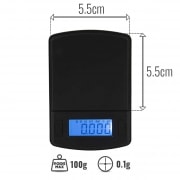
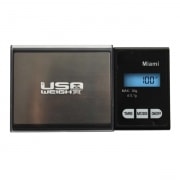
There are no fewer than 4 types of precision scales: the electronic pocket scale, the electronic kitchen scale, the high-precision laboratory model, the letter scale, and the simple electronic precision scale. Likewise, there are several different brands, some of which are known for their high-end products. To choose the model that suits you, everything will depend on what you want to weigh and the use you will have for it. For this, there are 5 criteria to evaluate.
Depending on the products you need to weigh, you will need to choose a precision scale with the corresponding resolution. This is also known as the division size or increment.
Not all precision scales are equivalent. Choose the one that will allow you to weigh your products without constraints of space and weight. Of course, the weight of the weighing pan must also be taken into account!
Some scales can weigh to the nearest gram, others to the nearest centigram. The weighing accuracy is on average around plus or minus 2. You will not use the same model to weigh tobacco or gold alloys, for example.
Some precision scales are equipped with automatic power-off as soon as they are not in use. This function can be activated or deactivated according to needs.
It is an essential function in order to remove the weight of the container for each of the products.
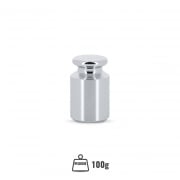
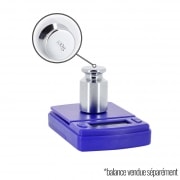
Calibration is none other than the adjustment of the precision scale. This allows estimating the margin of error of the instrument in order to weigh as reliably as possible. This is what is called the maximum allowable error.
To do this, all types of containers used to receive the product Weights must be placed in the center of the tray so that the mass is subtracted from each weighing. As you will understand, there is no point in having a precision scale without performing calibration. This must also be done regularly.
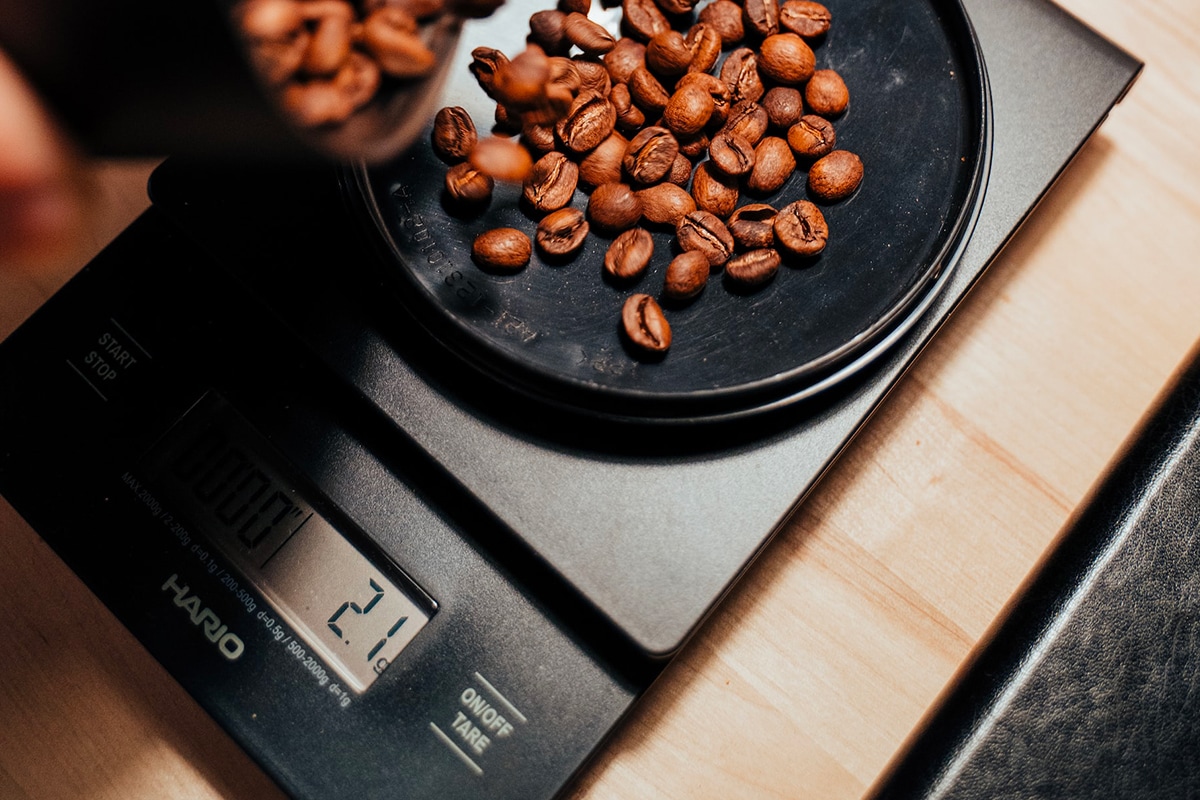
Certainly, a scale is made to weigh, but with a precision instrument, it is good to follow certain steps to ensure a reliable result. First of all, it is preferable to use a container to place the mass to be weighed inside. For this, always use a spatula or a spoon.
If the scale is placed in a protected area (plexiglass cage), clean the glass, then the scale before turning it on. Gently place the empty weighing container on the pan to tare it, then add the product to be weighed in small quantities. When you have reached the desired weight Once you have obtained your mass, close the windows to validate the weight. You can then remove the container, clean the platform, and then turn off your balance.
A poorly maintained balance not only has a shortened lifespan but also decreasing reliability. To clean your precision scale, it is necessary to wipe it with a cloth after each weighing, then regularly use a small brush between the elements that are inaccessible with the cloth.