Français
 Italiano
 Deutsch
 Español
 Português
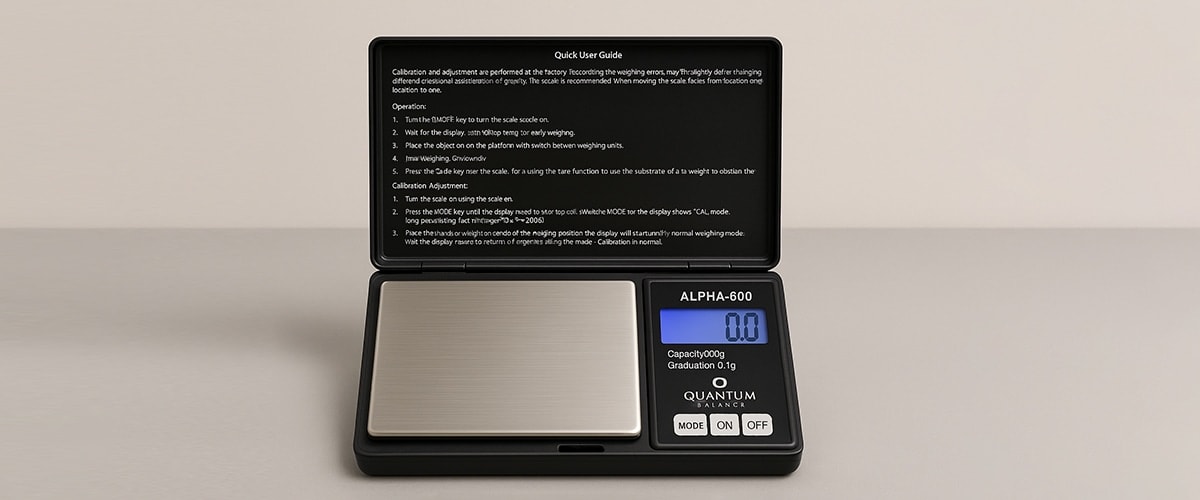
Your electronic scale is acting up, never shows the same weight, or you are wondering how to reset an electronic scale? Don't panic!
A faulty scale can quickly become a source of frustration, but luckily, several simple checks and adjustments often resolve common problems.
Here is a practical guide to diagnose and fix the most frequent malfunctions.
Batteries are often responsible when the scale does not turn on or displays incorrect measurements. Make sure to use quality batteries and replace them if necessary. Also check the battery compartment for any signs of corrosion or dirt.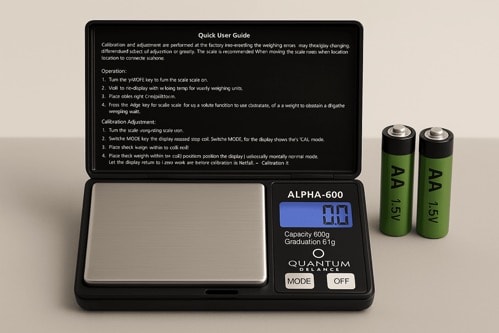
Incorrect calibration can lead to inaccurate measurements. It is recommended to regularly calibrate your scale by following the instructions in the user manual. Most models require a standard weight for this operation.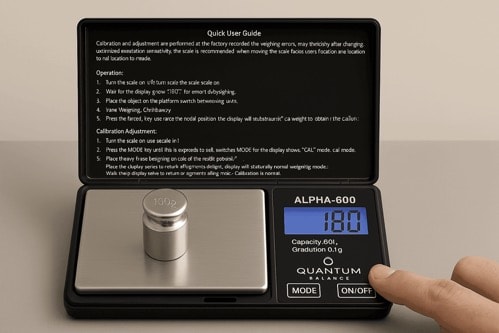
Electronic devices such as cell phones or computers can interfere with the operation of your scale by generating magnetic fields. To avoid these interferences, keep all electronic devices away from your scale while using it.
Temperature variations can also affect the accuracy of the scale (also called small scale). Let it acclimate to room temperature for about an hour before using it, especially after transport or storage in a cold place.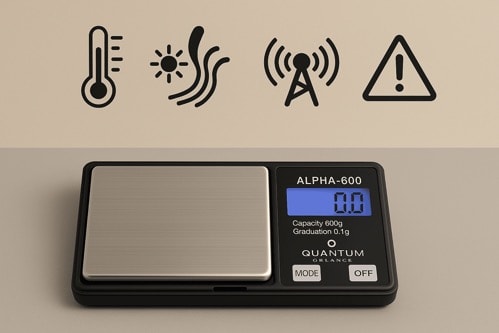
To obtain accurate measurements, always place the scale on a flat and stable surface. An uneven surface can skew the results, even if the scale seems to be working correctly.
Keeping your scale clean extends its lifespan. Clean it with a soft, dry cloth, and avoid exposure to moisture. Regularly dust the weighing surface and sensors to ensure accurate readings.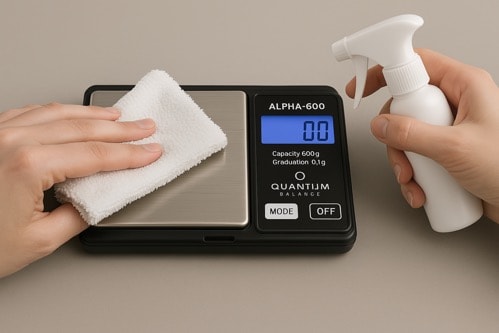
By following these tips, you will optimize the operation and longevity of your electronic scale. If the problem persists despite everything, consider consulting a professional or replacing the device.