Français
 Italiano
 Deutsch
 Español
 Português
The precision scale is an essential tool in many fields. Kitchens, laboratories, bakeries, and even some specialized sectors such as those for smokers use it. Let's see how these different professions use the precision scale on a daily basis.
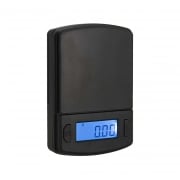
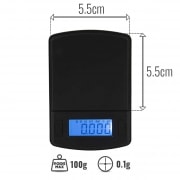
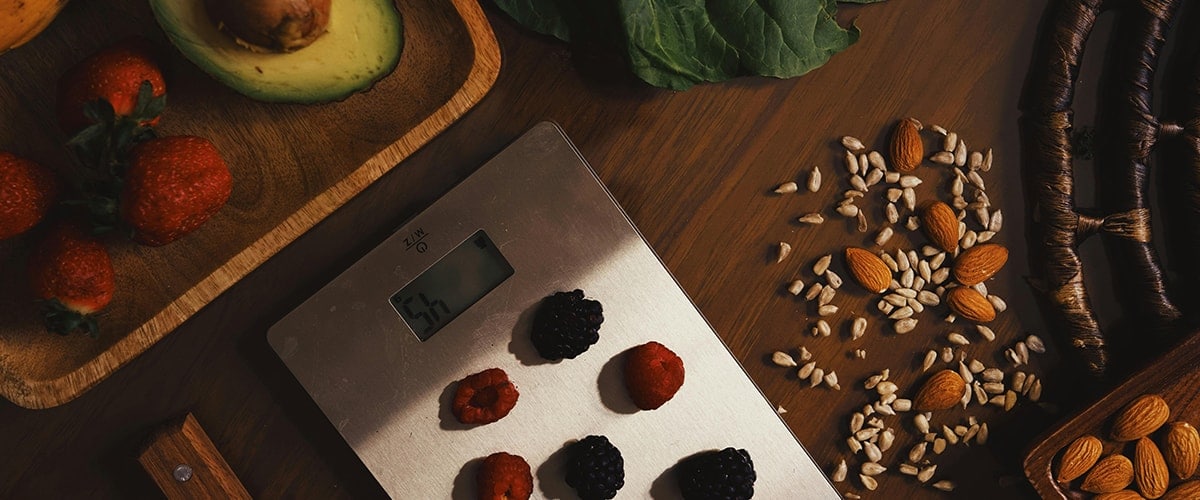
Whether you are a professional or an individual, the precision scale is an essential accessory in your kitchen. It allows you to weigh food to the nearest gram to make your recipes without a hitch. There is no need to experiment with molecular cuisine to need it: even for weighing flour for a cake or yeast for making your bread, this scale is very useful.
Cooking is a very precise field in which everything is measured down to the gram. That is why it is important to have the right tools to be sure of successfully making your cakes or dishes. Choose a model that can weigh down to the gram for more accuracy. This way, you will not have any unpleasant surprises due to weighing defects or errors. Some precision kitchen scales are so accurate that they can weigh from 1 gram up to a few kilograms. Depending on your use, choose the most appropriate model.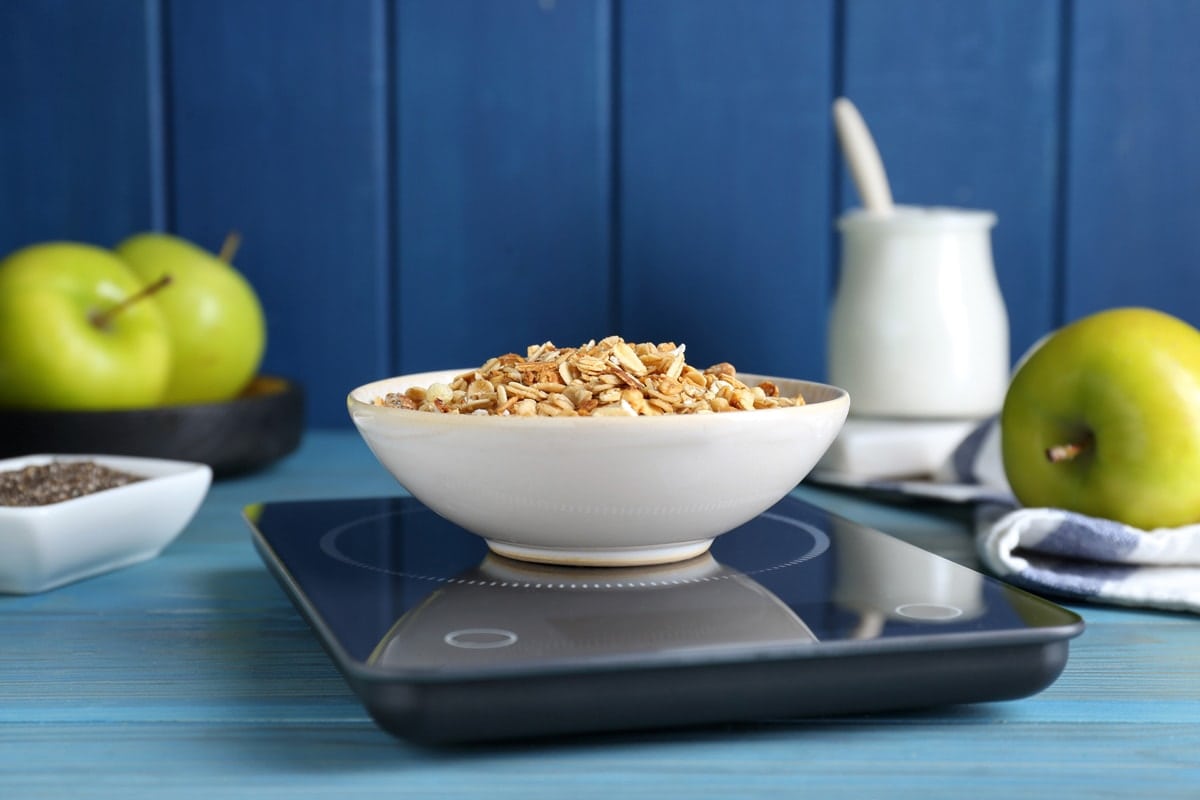
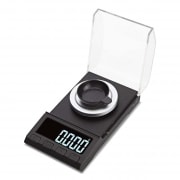
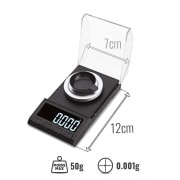
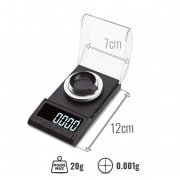
Laboratory precision scales are even more precise than those used in the kitchen. Indeed, they can weigh masses up to 0.01 mg! However, the maximum load is not very large since the purpose of these devices remains to weigh very small quantities. As a general rule, the maximum weight does not exceed 300 g. The precision is also very high, ranging from 0.001 to 0.00001 g depending on the model.
Precision laboratory balances are certified Good Laboratory Practice (GLP). They have specific programs, such as percentage weighing, determination of density, counting, or statistics. Most can also transmit their results to a computer or a printer and are ISO9001 certified.
In laboratories, the scale must be level on a flat surface to work optimally. The doors of the laboratory precision scale must always be closed before and after weighing to avoid errors, since even a slight draft can skew the result. Of course, periodic calibration is necessary!
Another field where the precision scale is essential: the bakery! Indeed, bakers need to know the amount of yeast or starter to add to the bread down to the gram. But they can also prove useful for bakeries that charge by weight.
Even though bakery precision scales do not need to be officially approved, they still have to meet reliability requirements imposed by the State in order to protect the consumer.
À note, however, that the precision scale in baking is only useful for a small part of the baking work, such as knowing the quantity of sourdough or yeast, the amount of seeds, salt, etc. Since the maximum weighing capacity is limited, the baker must then use a professional scale in order to weigh their dough, for example.
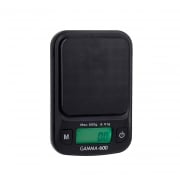
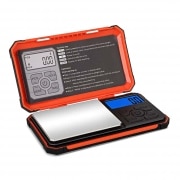
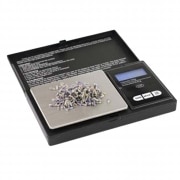
In the world of smokers, especially for enthusiasts of CBD-based products, the precision scale plays an essential role. It allows for accurately measuring product quantities, whether for preparing infusions or for packaging CBD flowers. Precision is particularly important in this field to ensure use adapted to individual needs while complying with current regulations.
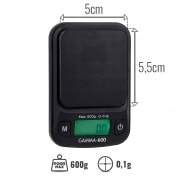
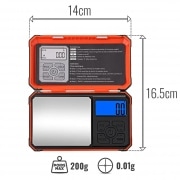
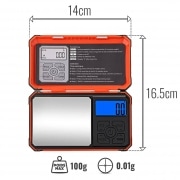
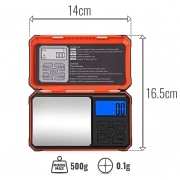
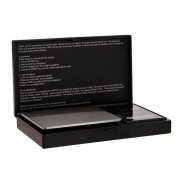
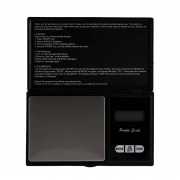
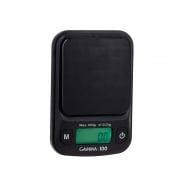
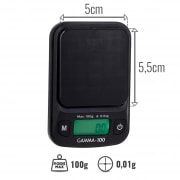
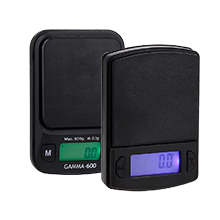
The scales used in this field are generally compact, easy to transport, and capable of measuring very small quantities, down to 0.01 grams. These characteristics make them valuable tools for users seeking optimal control over their measurements. If you are looking for a suitable scale, check out our selection of precision scales to find the one that matches your specific needs.
Whether in the kitchen, in the laboratory, in a bakery, or in specific sectors such as the world of smokers and CBD, the precision scale is an essential tool for measuring accurately. Thanks to its precision, it stands out as an indispensable accessory for many everyday uses.