Français
 Italiano
 Deutsch
 Español
 Português
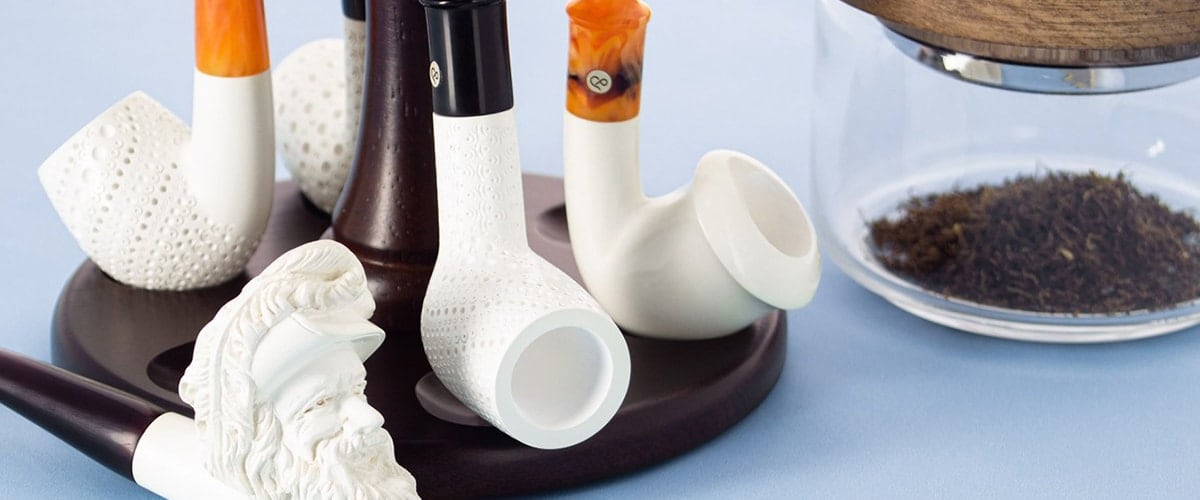
Meerschaum is nothing other than magnesite (magnesium hydrogen sulfate), also known by the German name "Meerschaum." It is a variety of white-colored carbonate lime.
The sea foam comes from sedimentary terrains of the Secondary and Tertiary periods. It appears in the form of modest-sized blocks, called nodules, and scattered in clay. It is extracted from old, artisanal, and rudimentary mining facilities, using wells with a depth ranging from 40 to 80 meters.
Sea foam has the particularity of being a very light mineral, capable of floating on water. Moreover, that is where its name comes from, since sailors of the Black Sea used to confuse it with the foam of the waves when it floated on the surface of the water.
Sea foam (Genuine Block Meerschaum) is porous (its specific weight is less than 1g). It also has a great absorbent capacity and retains nicotine very efficiently. This mineral is also refractory and therefore constitutes an excellent raw material for the manufacture of pipes.
The first meerschaum pipes are believed to have been made in Budapest at the beginning of the 17th century. Some time later, Vienna in turn became a major center for the production of meerschaum pipes. By the 18th century, these two European capitals would become world-renowned cities for their expertise. This tradition of high quality earned the meerschaum pipe the nickname "The White Goddess" by writers.
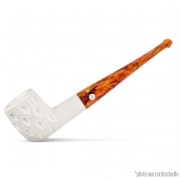
Even today, the meerschaum pipe is handmade, following traditional artisanal methods. The shape and size of the pipe are determined by the meerschaum block itself.
It is first moistened and then carved with a knife, before being turned and drilled. After this final step, the bowl is dried. Next comes the time to assemble the stem. The whole piece is then filed and adjusted.The bowl then undergoes a long treatment (application of whale white, sanding, then immersion in a bath of virgin wax) before being polished.
The most beautiful pieces will be sold in a case, specially made for each pipe. It should be noted that the immaculate white color is not necessarily the one sought by collectors. Indeed, the "eggshell" color is much preferred, as it signifies quality. Moreover, over time, a high-end meerschaum pipe will turn golden brown.if it is well maintained.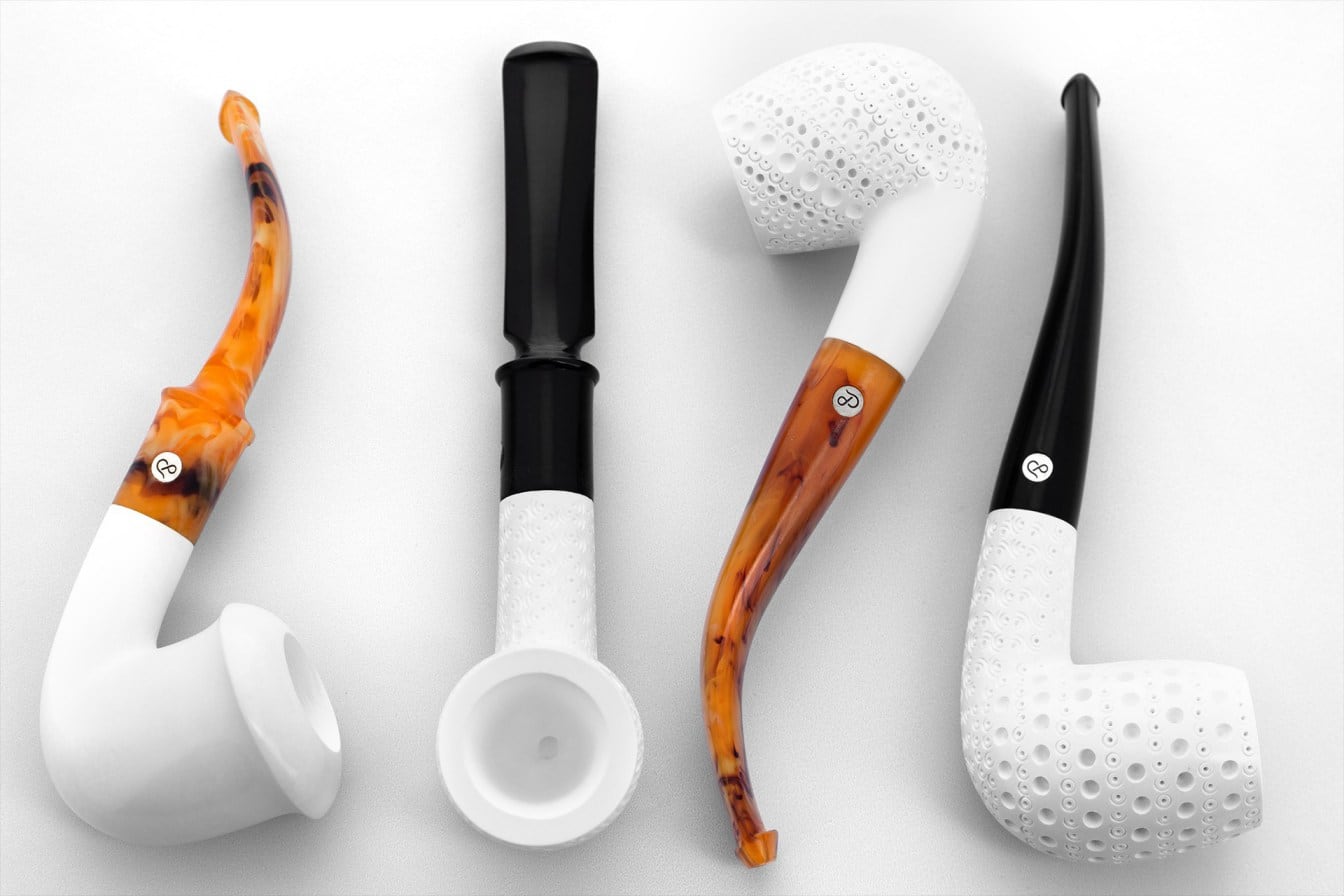
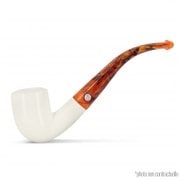
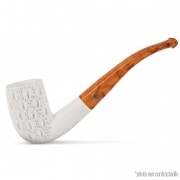
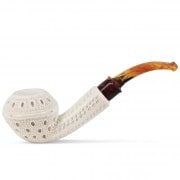
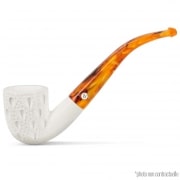
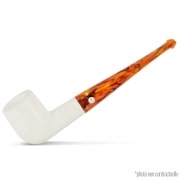
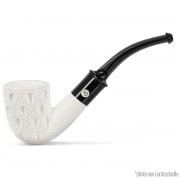
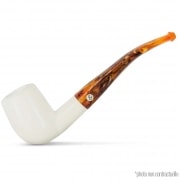
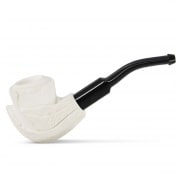
Meerschaum pipes are often more aesthetic than a wooden pipe and this for two reasons. The first is because its immaculate color attracts the eye. Well maintained, the meerschaum pipe is a true object of value. The second is because it can quite simply take on various shapes. It is very easy to carve the desired shape in this malleable material.
Besides the aesthetic aspect, meerschaum pipes have the particularity of providing a fresher and drier smoke, thus avoiding the phenomenon of "cross-over." In other words, you can switch from one pipe to another without the previous one leaving any flavor traces on the palate. It is a perfect pipe if you are in the full search for your favorite tobacco.
On the other hand, they are also healthier pipes, since meerschaum retains a large part of the nicotine and tars contained in tobacco. Finally, the heat resistance of meerschaum is also superior to that of a wooden pipe.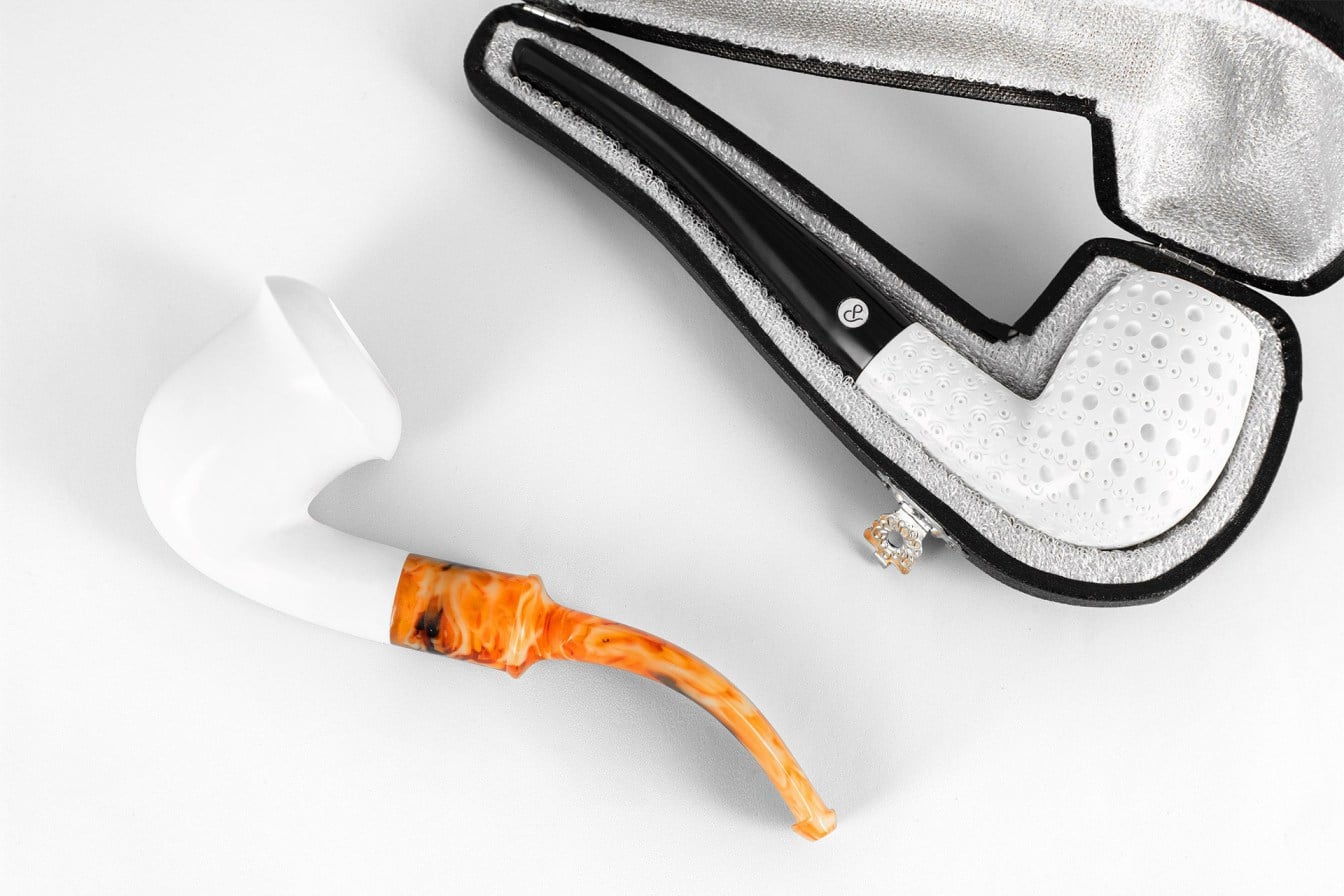
Just like with briar pipes, it is totally forbidden to pre-soak a meerschaum pipe with alcohol. Indeed, this would only damage it even before it could be used. The meerschaum pipe is delicate. Therefore, it must be smoked slowly and regularly (once a day being ideal).
To break in a meerschaum pipe, certain steps are essential. First, you need to completely fill the bowl with your tobacco. Light your pipe, but do not smoke more than the first half. For at least ten times, you should only smoke the first half of the tobacco. This way, the break-in will be gradual and regular. The natural coloring will start from the bottom of the bowl and the stem.
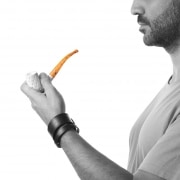
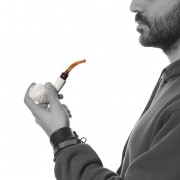
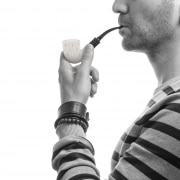
The meerschaum pipe is a fragile and precious object. Being very absorbent and porous, it is strongly advised not to touch the meerschaum part when enjoying it, in order not to leave your fingerprints on the bowl. This type of pipe should only be held by the stem. However, if the temptation is too strong or the gesture too familiar, make sure to protect the bowl with a chamois or a piece of woven fabric to handle it.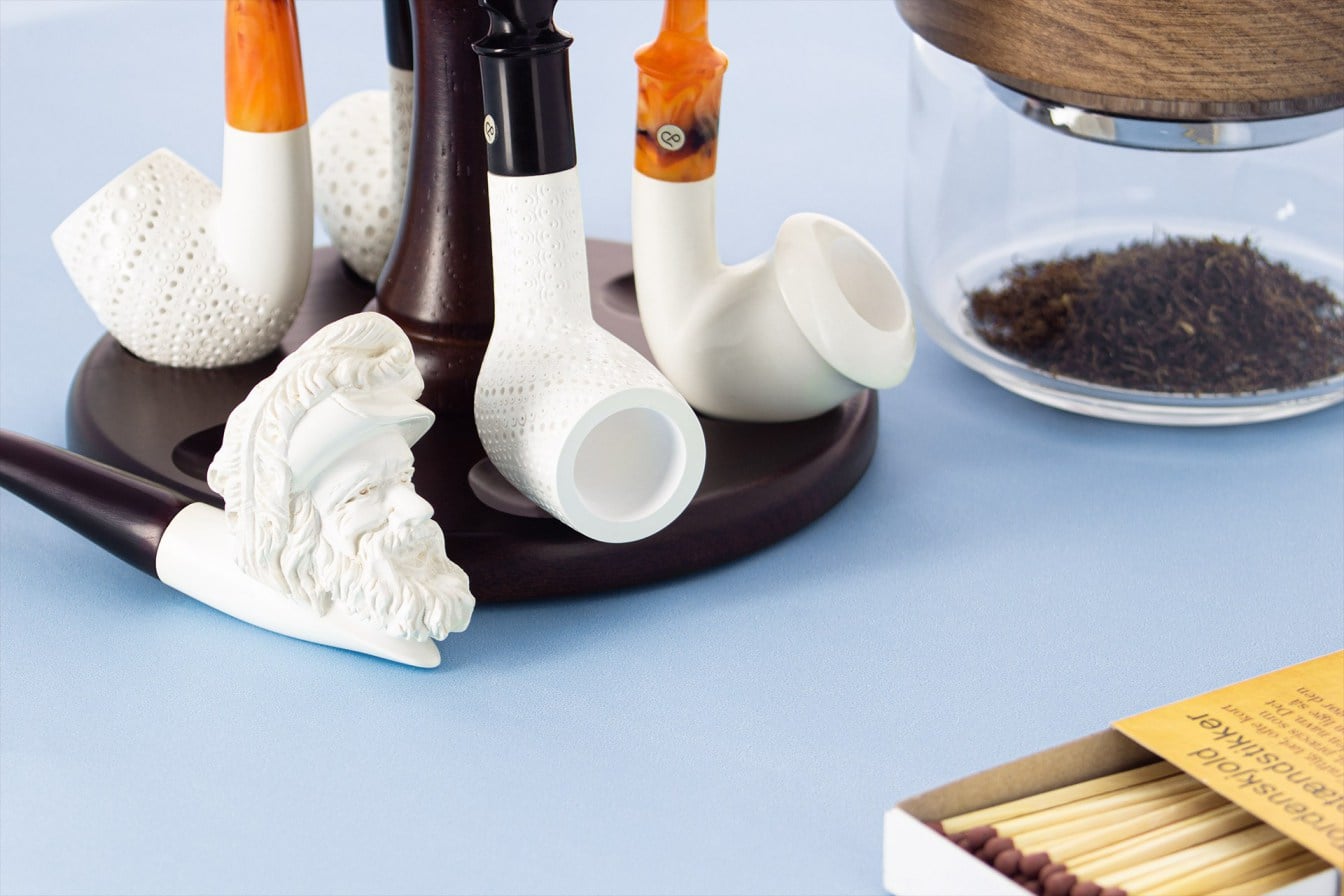
Note that just like with heather, there are different qualities of sea foam. It is possible to find sea foam pipes at very low prices, less than half of the usual price. If these are indeed sea foam pipes, it should be known that they are made of reconstituted foam, better known as massa foam (massa-meerschaum), or also "Vienna foam." The pieces of sea foam are agglomerated with a binder, then molded.
At first glance, it is almost impossible to differentiate them; however, they can be recognized by their density: massa meerschaum pipes are heavier than sea meerschaum pipes. On the other hand, the most noble models (in genuine sea meerschaum) are also recognizable by their color ranging from polar white to milky white.
There are several countries that produce meerschaum pipes. However, two of them are the largest producers:
It is particularly in the province of Anatolia, in the town of Eski-Cheir that our Marmara come from.
This country uses another variety of meerschaum, highly valued by Peterson. It is of excellent quality, but its color leans more towards gray. Furthermore, it is also less light. The style of manufacture is also different (for example: the Peterson Tawny de luxe or Golden Supreme)