Français
 Italiano
 Deutsch
 Español
 Português
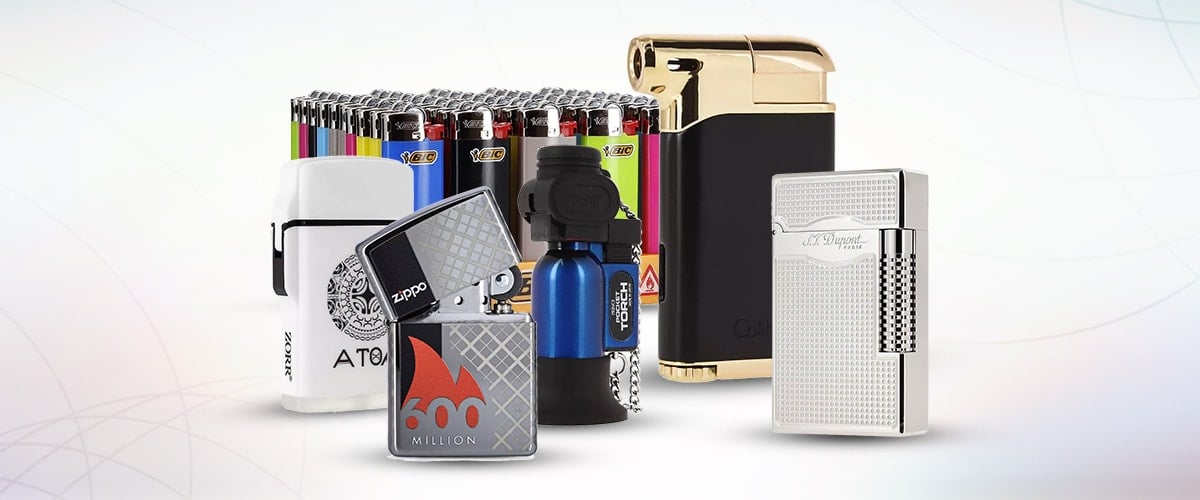
À less begging here and there, any self-respecting smoker has their lighter. It is an essential accessory for lighting a cigarette, a pipe, or even a cigar. But do you know the history of the lighter? Here is an informative article on the subject that will allow you to show off your knowledge to your loved ones.
You all know the ancestor of the lighter, since you studied it at school. Yes, it is indeed flint! This very hard stone was used to create sparks and thus, start a fire, traces of which would date back 400,000 years. The first humans who could start a fire used the percussion technique to ignite fuels. In other words, they rubbed stones against each other to create a spark.
However, in order to achieve this, it was necessary to refine the technique and above all find the right materials. Indeed, striking a flint against just any other stone did not always yield the expected results. Through perseverance, fire was able to be mastered in a more official way precisely 15,000 years ago by Homo Sapiens.
These prehistoric men found the foolproof way to make fire: by rubbing a siliceous rock against pyrite (iron ore) and lighting the flame in a piece of wood fungus called amadou. This technique endured and therefore became widely popularized. Over the years, pyrite was replaced by steel. It was at this precise moment that the flint lighter, the ancestor of the lighter we know today, was born. Nevertheless, it is still used as is in some regions of the world.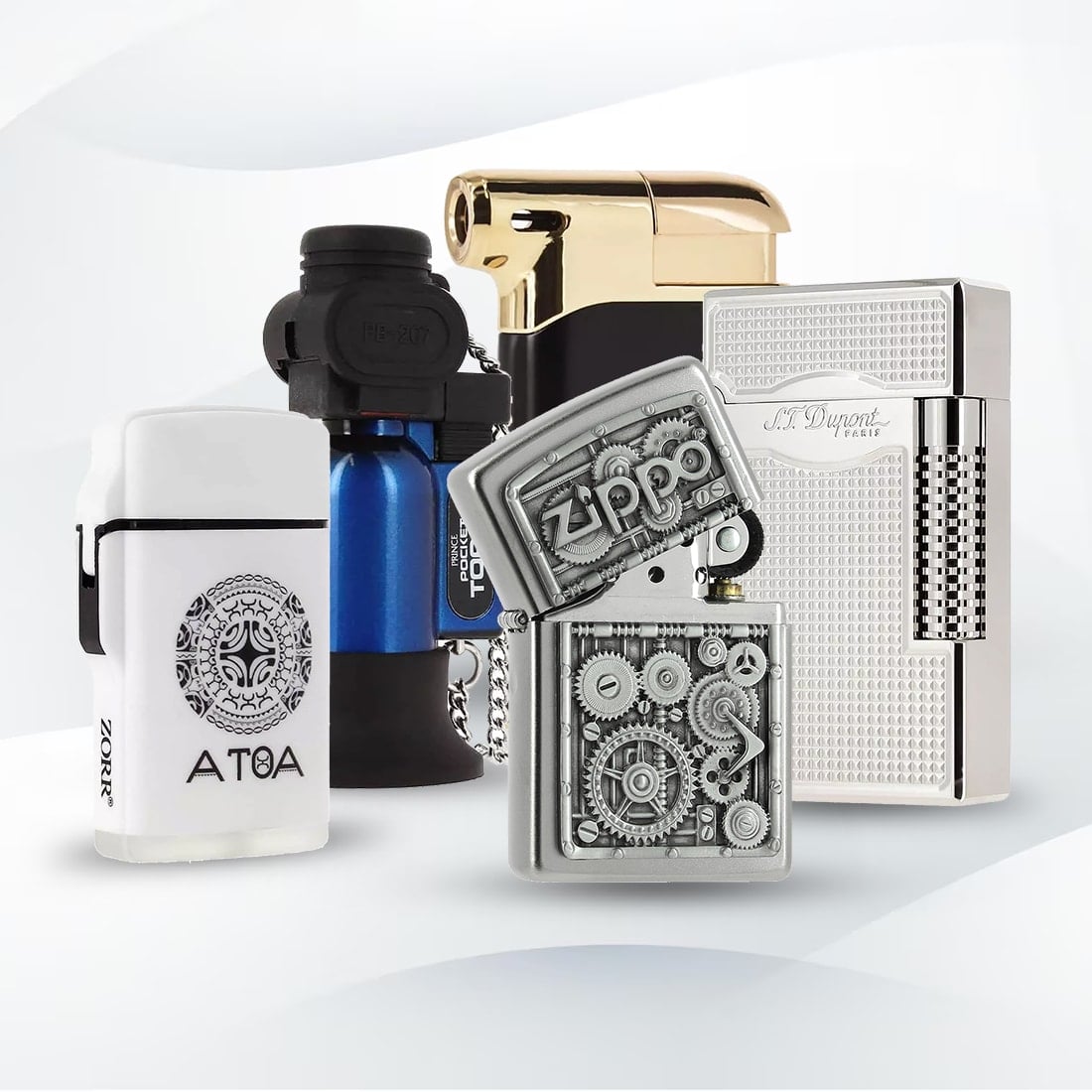
The fire ignition system went through multiple versions until the system was finally condensed into a very useful accessory: the lighter. It was a Frenchman who, moreover, invented the gas lighter in 1948. Indeed, Henry Pingeot is the inventor of the pocket gas lighter, marketed by Marcel Quercia. Its name: the Crillon. Then, in the 1970s, the disposable lighter appeared in Paris under the legendary BIC logo.
But in the end, if we look at what was done a little earlier on the New Continent, we see that a genius designer named Georges Blaisdell also created his own lighter. It was in 1931 that he developed a gasoline storm lighter, equipped with a hinged clasp: the famous Zippo lighter!
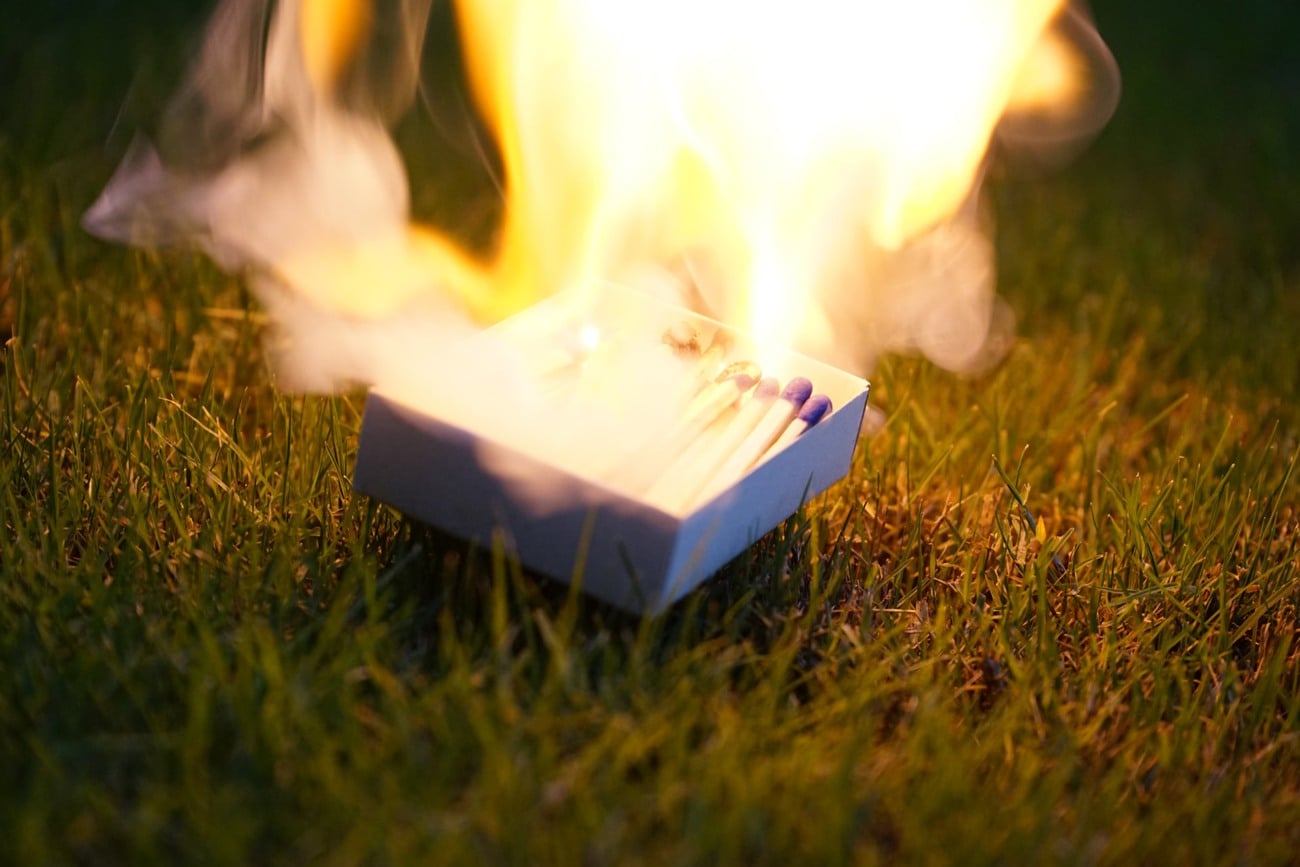
But actually, the lighter is not the only accessory for producing fire! The matchstick, as fragile as it may be, is also very effective! Which of these two accessories was created before the other?
While the lighter finds its origins in prehistory, the matchstick, for its part, was only designed in Antiquity around Saintes. Indeed, archaeologists found there wooden sticks carbonized on only one side. These dated from the 2nd century.However, it is hard to say whether it was a way to light a fire or simply to carry it.
In the 6th century, the Chinese did indeed use pieces of pine wood soaked in sulfur for various purposes. Their development made it possible to bring fire more easily and quickly over the years.
The appearance of the match as we know it today could therefore be traced back to 1530 and was rather known under the names "little stick," "hemp wick," or "fidibus." It produced fire in two steps. It was not until the 19th century that the very first instant match was discovered. The latter only had to be struck against its drawer box to produce a flame in a single step!
Between the lighter and the match, it is therefore the lighter that, more complex as it may be, came into existence before the small piece of sulfurized wood!