Français
 Italiano
 Deutsch
 Español
 Português

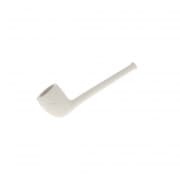
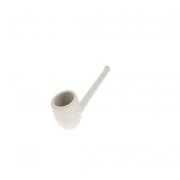
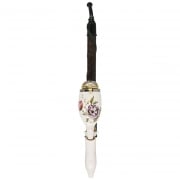
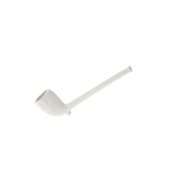
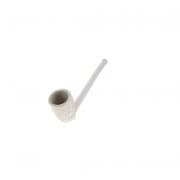
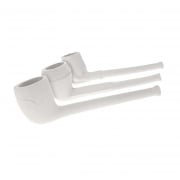
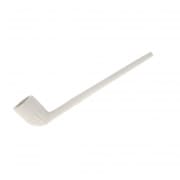
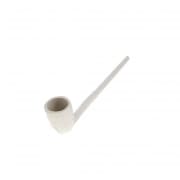
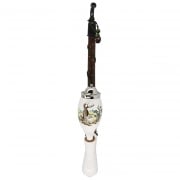
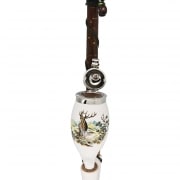
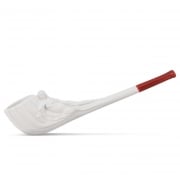
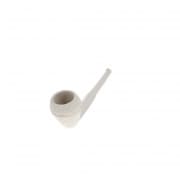
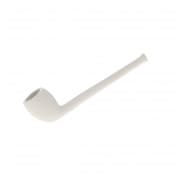
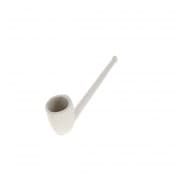
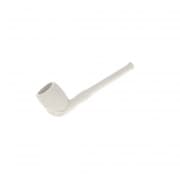
The clay pipe was invented in the 16th century in England and the first factory was founded in Gouda in Holland in 1617 under the initiative of the Englishman William Baenelts. Other factories were set up in the north of France and in Belgium. The oldest of our pipes was sidelined for a long time, but it seems that it is back in the news. More and more pipe smokers swear by it.
If you want to know everything about this clay object, follow our guide!
Before you can smoke this new clay pipe that you just purchased, first conduct a visual inspection of the item to ensure the absence of cracks in the bowl and to remove any clay burrs that may remain.
Using a soft brush, remove the dust without pressing too hard so as not to damage the raised details present on some white clay pipes. To remove stains, repeat the brushing operation with water and, if necessary, a little soap.Then rinse your pipe several times with clear water.
While a briar pipe must be protected from the fire produced by the burning of tobacco through the seasoning technique, a clay pipe does not need it. The only precaution to take is to smoke it slowly to avoid the appearance of brown spots, which are not burns, but are due to drawing too quickly.
Here are the different advantages of clay pipes:
Ultimately, these clay pipes have only advantages and few disadvantages. The only one is perhaps their low resistance to impact. If your pipe falls to the ground, it will break.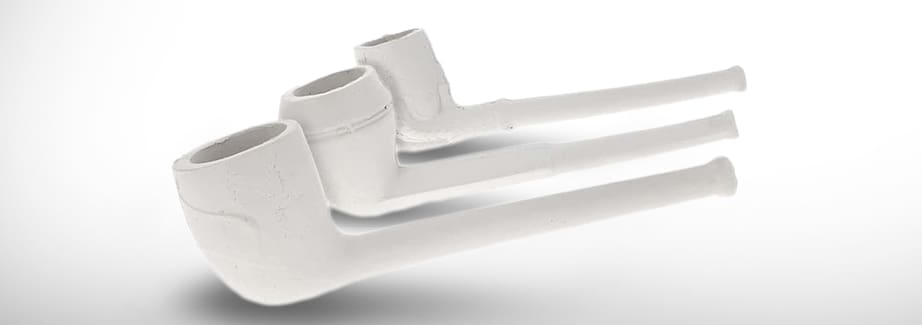
A clay pipe is the recommended pipe when you want to discover new kinds of tobacco. The reason is very simple and is related to the very material it is made of. Clay is a mineral material with a neutral flavor. No foreign taste will interfere with that of the tobacco during smoking.
Your pipe is born from a mass of clay or earthenware that is shaped to give it its form and fired in a very high-temperature oven. It is extremely resistant to the heat and does not require any special precautions during the first use. You can directly enjoy your favorite tobacco.
The last element that plays in favor of the clay pipe is its price, which is generally much lower than that of a briar pipe.
Remember to clean your clay pipe regularly to enjoy it for a very long time. For the exterior, use water and soap applied with a small brush without pressing too hard. Rinse thoroughly with clear water and let it dry.
To remove tobacco and soot residues inside, nothing beats cleaning with heat. Place your pipe in your traditional kitchen oven and use the self-cleaning program. The heat will burn all the residues, and your pipe will be like new.