Français
 Italiano
 Deutsch
 Español
 Português
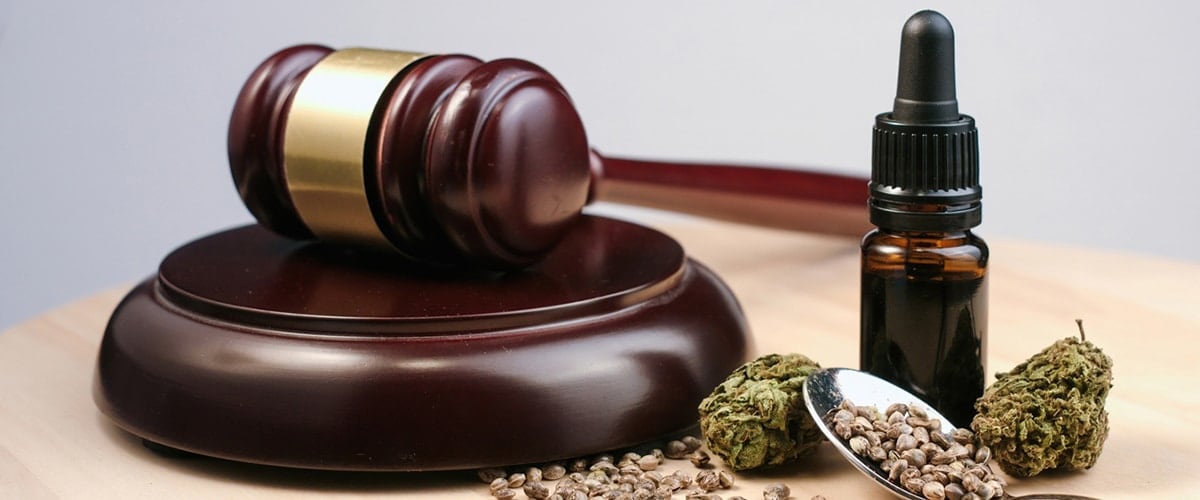
CBD, or cannabidiol, is a cannabinoid naturally found in hemp. Over the past several years, its regulatory framework has undergone various changes in France and Europe, raising many questions for both consumers and professionals. Today, the rules governing the marketing of CBD liquid products are more clearly defined, in accordance with current regulations.
CBD is one of the many cannabinoids naturally present in hemp. Unlike THC, it does not have psychoactive effects and does not cause a feeling of euphoria. It is now used in the manufacture of many products, such as e-liquids, oils, flowers, resins, and even cosmetics. The marketed products must comply with applicable regulatory requirements, particularly regarding their composition and THC content.
First marketed in the United States, and then in some countries bordering France, such as Switzerland, the marketing of CBD in French territory has been tumultuous, but finally authorized.
In recent years, the range of CBD-based products has expanded. In addition to flowers and leaves, this substance is also found primarily in the e-cigarette world. A large number of CBD-based e-liquids have appeared on the market.They contain more or less significant amounts, ranging from 0 to 2 g of CBD per bottle. These e-liquids are available in specialized shops or on the internet.
There are also increasingly more derived products, such as CBD cosmetics in the form of creams and CBD care oils, CBD ointments and salves, some even specially designed for athletes, CBD soaps, etc. For those with a sweet tooth, lozenges withLollipops, crystals, and CBD gum are available, as well as infusions and oil sprays.
Discover on Smoking.fr
CBD range
A large number of CBD-based products are available for sale throughout the country. But are they really legal? In reality, things are very complex, almost as much as the tetrahydrocannabinols themselves.
Indeed, not so long ago, CBD, like HHC and its two derivatives (HHCO and HHCP), was considered a narcotic. While this is still the case for the latter two, CBD has been allowed to be marketed, as it is considered non-psychoactive. In fact, Health Insurance defines it as "Substance naturally present in the cannabis or hemp plant. But it is extracted from cannabis and purified, that is, cleaned"of other active compounds likely to be present ».
In order to put an end to the legal void surrounding this substance since the decree of December 30, 2021, the authorities established a very specific legal framework allowing the sale and consumption of CBD in France on the territory. Some twists occurred, notably with the decision of the Council of State on December 22, 2022, which simply annulled a decree enacted a few months earlier. The latter prohibited the sale of CBD flowers and leaves to the raw state.
In theory, the products currently on the market are completely legal. Whether it is e-liquids, cosmetics, but also capsules and gummies, all are authorized. Regarding CBD-based food products, these now form part of what is called "Novel Food." These are new foods approved by the EU and France for legal sale in the country. Many superfoods or dietary supplements thus fall into this famous category.
Nevertheless, French law is very clear: the possession, cultivation, or use of cannabis in all its forms is punishable by law. An exception now exists for cannabidiol. But be careful, the THC content of the cultivated plants must not exceed the legal threshold. And it is a much more complex matter than it seems! Indeed, on the same plant, the THC content varies from the root to the top of the plant. Enough to give growers a hard time.
In order to ensure that products sold on French soil are non-psychoactive, the State has established rules that are among the strictest in Europe. The THC content of CBD-based products, whatever they may be, cannot exceed 0.3%. Several species are cultivated for this purpose, including hemp and Sativa, for example.
From now on, in order to be able to market CBD in France, it must meet two cumulative requirements:
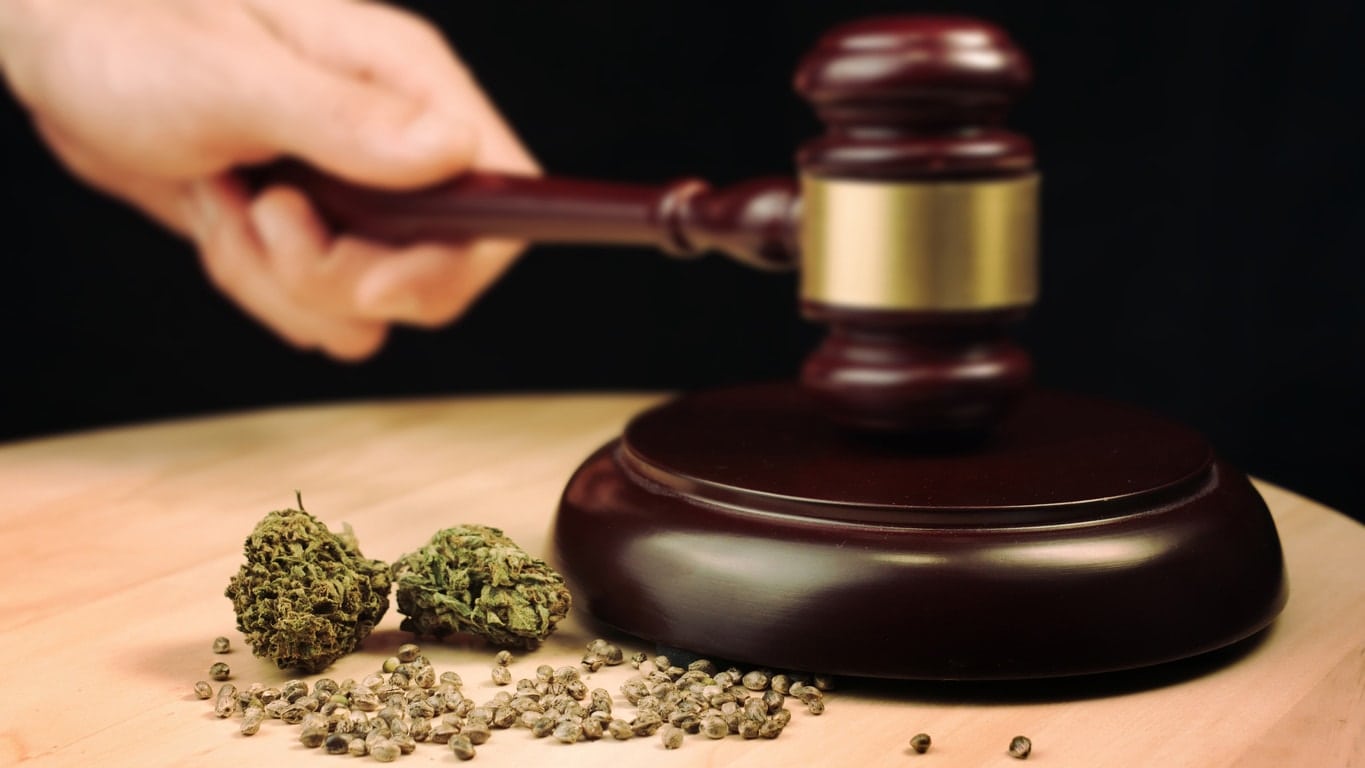
Any presence of THC above 0.3% in sold CBD products is strictly prohibited. The law is clear: any manufacturer who markets CBD products containing tetrahydrocannabinols is subject to criminal penalties, as these are considered narcotics.
Until now, CBD products sold, can only half-heartedly boast about their health benefits. Advertising for CBD could also create confusion in the minds of consumers and citizens in general. That is why few brands still dare to launch advertising campaigns.
Did you know? In 2025, some official CBD-based medicines are expected to be marketed. The ANSM thoroughly examined several so-called therapeutic products over the year 2024 and after more than a year of testing. Its verdict was expected by December 31, 2024. Several patients received a therapeutic CBD-based treatment over the past year, and the higher health authorities must now make a decision on the subject.
Medical treatments based on CBD, in the form of tablets or oil, could therefore be marketed during 2025.
Although the medical field is divided, therapeutic CBD-based medications will be prescribed in the context of certain identified pathologies, namely:
They could be administered in natural form by inhalation (dried flowers) or orally in the form of tablets or oil. For now, the implementing regulations are still awaited. Nevertheless, health insurance should cover these treatments and offer reimbursement to beneficiaries.