Français
 Italiano
 Deutsch
 Español
 Português
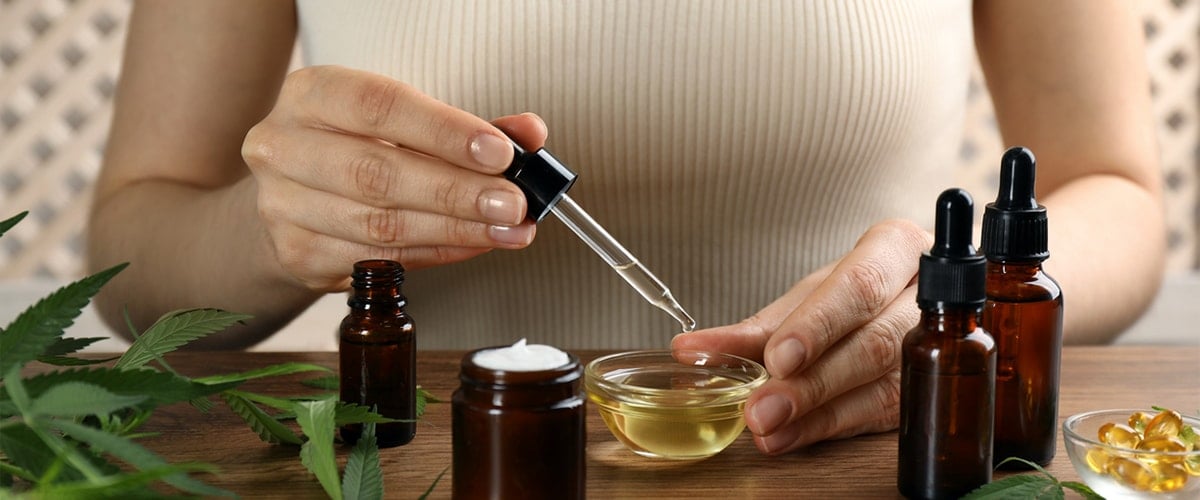
CBD is generating increasing interest and is now available in many forms, such as flowers, resins, oils, CBD e-liquid, and even cosmetics. But what exactly is CBD and how does it differ from THC?
Hemp naturally contains several cannabinoids. Among the best known are THC (tetrahydrocannabinol) and CBD (cannabidiol). Unlike THC, CBD does not have a psychoactive effect and does not produce a feeling of euphoria.
The marketing of CBD-based products is regulated by the current legislation. The products offered must in particular comply with the applicable legal requirements regarding their composition and THC content.
In France, recently, CBD has been used in its food or dietary supplement form. It is part of the Novel Foods. Its distribution is carried out under very strict authorizations, dictated by a compartmentalized legal framework.
In the United States and Canada, cannabidiol is authorized for over-the-counter sale to relieve pain or calm the more anxious. The same is true with our Swiss neighbors, who are opening dedicated stores up to the Franco-Swiss border. Still controversial in France, authorities are waiting for scientific evidence in order to resolve a problematic situation concerning CBD.
Voluntary or not, the legal silence surrounding cannabidiol allows many implications to arise. While the substance is legal on French territory, it seems that confusion regarding the THC level, as well as ambiguity surrounding its extraction, persist.

Some scientists suggest that the effects of CBD on the body could be beneficial, and this on several levels. In the United States, CBD has already been tested on certain pathologies. It is said to have contributed to soothing some patients. To date, no study can demonstrate the truth of CBD's effects. However, several clinical cases are reported to have witnessed an improvement, according to the study "Trial of Cannabidiol for Drug-Resistant Seizures in Dravet Syndrome" published in theNew England Journal of Medicine ».
In the context of studies or spontaneous treatments, CBD has been given to multiple patients across the Atlantic. Some have truly been able to observe effects on their behavior or daily life. The lack of hindsight and, in particular, the lack of study feedback on the subject means that today it is not possible to officially pronounce on the benefits or disadvantages of CBD.
Since 2015, the ANSM has studied the effects of cannabidiol on vapers. The report has yet to be made public. This document should notably include the impact of intensive CBD vaping on consumers' urine tests.
Since no study highlights the benefits of CBD, it is difficult to list the potential risks of cannabidiol. The only one that could be mentioned would be the habituation to the feeling of well-being, but since the molecule contains no recreational substances, could this addiction be dangerous?