Français
 Italiano
 Deutsch
 Español
 Português
Are you hesitating between an ultra-thin sheet and slightly stiffer paper? Let's go over the criteria that really matter: material, thickness, burning regularity, glue, and available sizes.
Quality is not limited to a label; it is the combination of technical parameters that counts. The material (hemp, flax, rice fibers, or cellulose-based) determines the texture and fineness.The weight and thickness affect the transparency and rigidity: the lower the weight, the thinner the sheet and the more delicate it is to handle. The porosity regulates the air supply and helps the burning remain steady. Then come the burning (rather slow or simply stable depending on the recipe), the treatments (bleached or unbleached, mainly a matter of appearance) and the glue strip, ideally made of natural gum, which determines the adhesion.Finally, the size (Regular sheet, 1¼, Slim, King Size, or rolls) affects the way it feels in the hand.
Hemp paper often has a natural tint and a slightly noticeable texture. It "holds" well between the fingers and generally offers an even burn. However, this slight texture may feel more pronounced than on some ultra-thin papers.
Rice paper stands out for its fineness and lightness. Visually discreet, it is suitable for people who are looking for a paper that is not too “present.” Handling it requires a bit of precision: an uneven distribution of the content can lead to extinguishing.
Cellulose is appreciated for its transparent appearance. You can see what you are doing, which can be practical for measuring. The rolling sensation differs from that of regular fiber paper; a short adaptation period is normal, particularly for the glue strip and flexibility.
Many references combine several fibers to balance fineness, strength, and burning regularity. The result varies depending on the recipes; comparing weight and porosity remains the best way to guide your choice.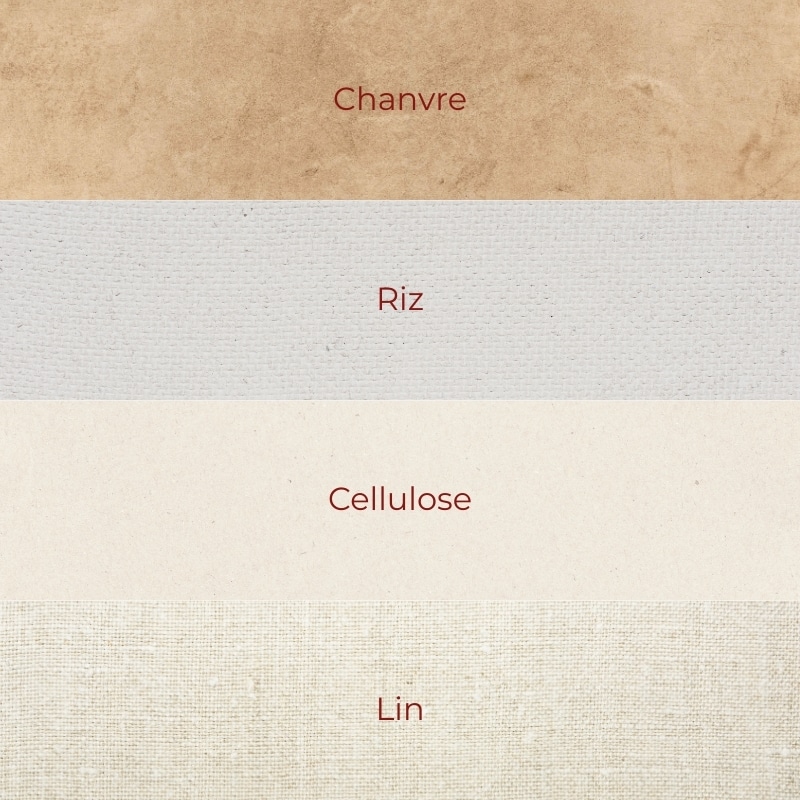
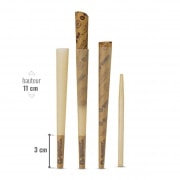
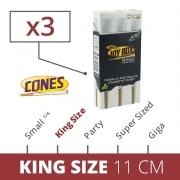
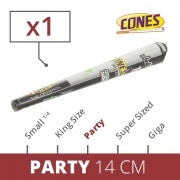
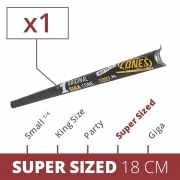
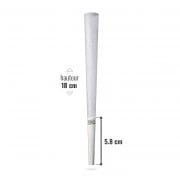
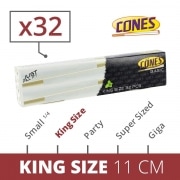
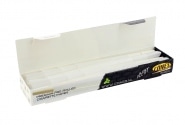
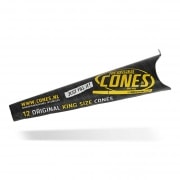
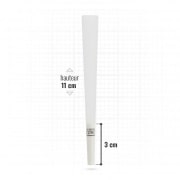
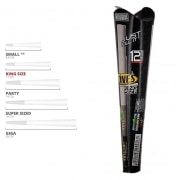
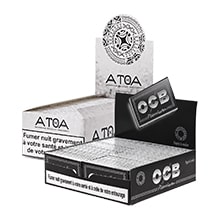
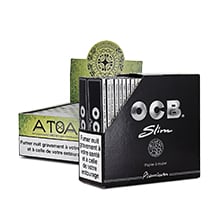
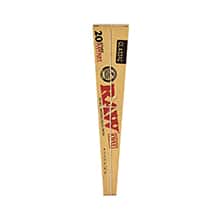
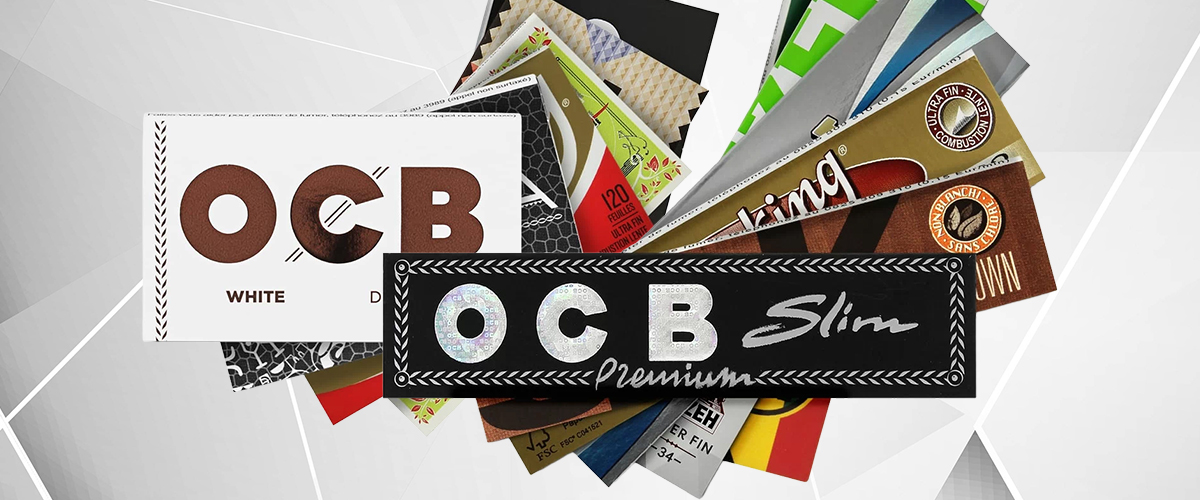
The formats Regular, 1¼, Slim, King Size vary in width and length; the Slim sheet format offers a slimmer appearance. The rolls (Rolls) allow the length to be adjusted as needed. Depending on the brands, there are classic booklets, dispenser boxes, or packs combining papers and filters.
Note that slightly thicker paper can make handling easier; one can then move on to ultra-thin references.
Are you aiming for a discreet appearance? Very thin papers (rice or certain blends) should be preferred, provided that the distribution of the contents is done carefully. Are you mainly looking for ease of rolling? Hemp-based papers or slightly stiffer blends provide comfort. For a unique visual aspect, cellulose highlights the contents, while unbleached provides a more "natural" finish.
Keep the notebooks dry, away from heat and sunlight that can alter the glue. Close the cases well to avoid warped or dried-out pages and, when traveling, use a protective sleeve.
Between the sensation of rolling, visual discretion, and combustion consistency, each paper tells a different story. The main families (hemp, rice, cellulose) serve as a compass, but it is the concrete criteria that make the difference day-to-day: paper weight, porosity, gum quality, sizes, and finishes. Keeping these points in mind, you will be able to calmly compare the options and avoid preconceived ideas related solely to the 'bleached' or 'unbleached' aspect.