Français
 Italiano
 Deutsch
 Español
 Português
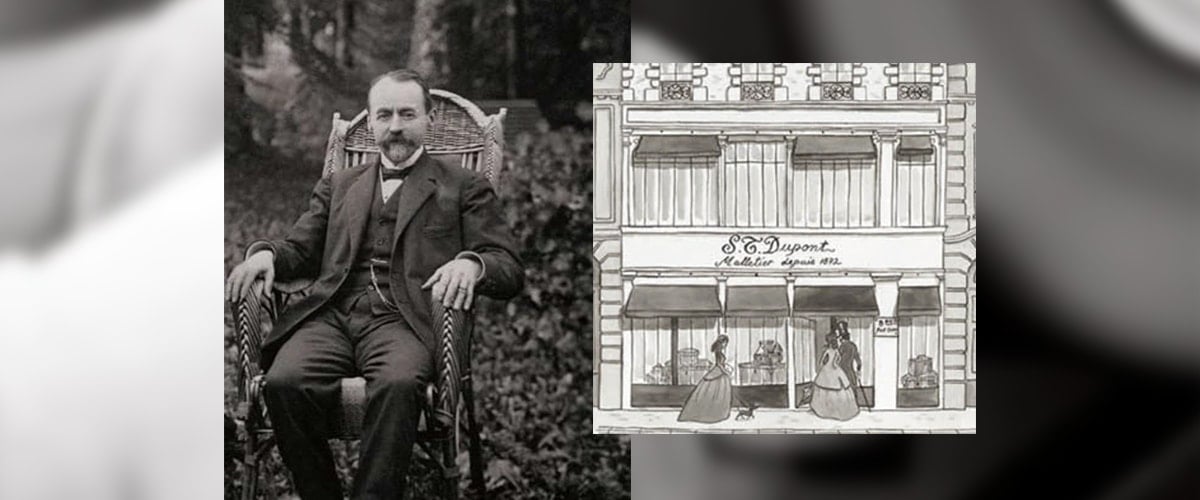
The S.T. Dupont company was founded in 1872. It is now more than 140 years old.
The history of the S.T. Dupont brand has been marked by various stages.
From its creation to today, this brand has an original history that will surprise you! Discover its history since its creation in this article.
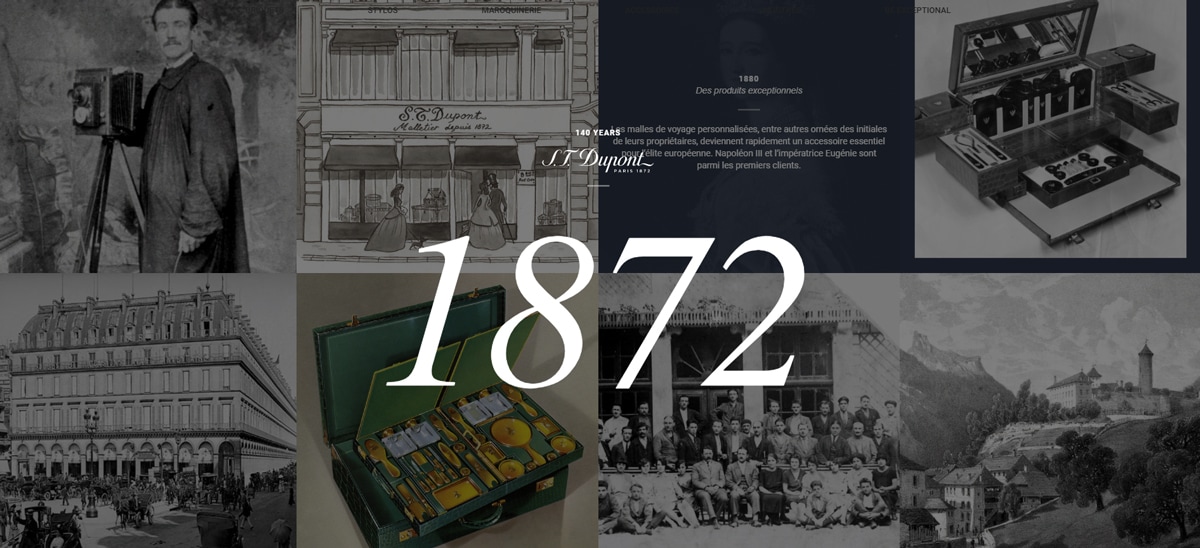
Simon Tissot-Dupont, the founder of the dynasty, is 25 years old. He was born in Savoy into a family of millers. He is an enterprising and passionate young man, determined to succeed in Paris.
He recruits a few talented craftsmen and establishes a prestigious leather goods workshop.
He notably makes wallets and "maroquins," the briefcases of the time, with the initials of high-ranking officials.
In the elegant Paris of the time, his success is swift. He quickly becomes the designated supplier from the Louvre shops, an essential reference in the world of luxury accessories of the time.
From the 1920s, André and Lucien Dupont, Simon's sons, innovate: they create sumptuous travel briefcases, made to order as unique pieces.
In their salon on Rue Dieu in Paris, the Dupont brothers receive the international elite.
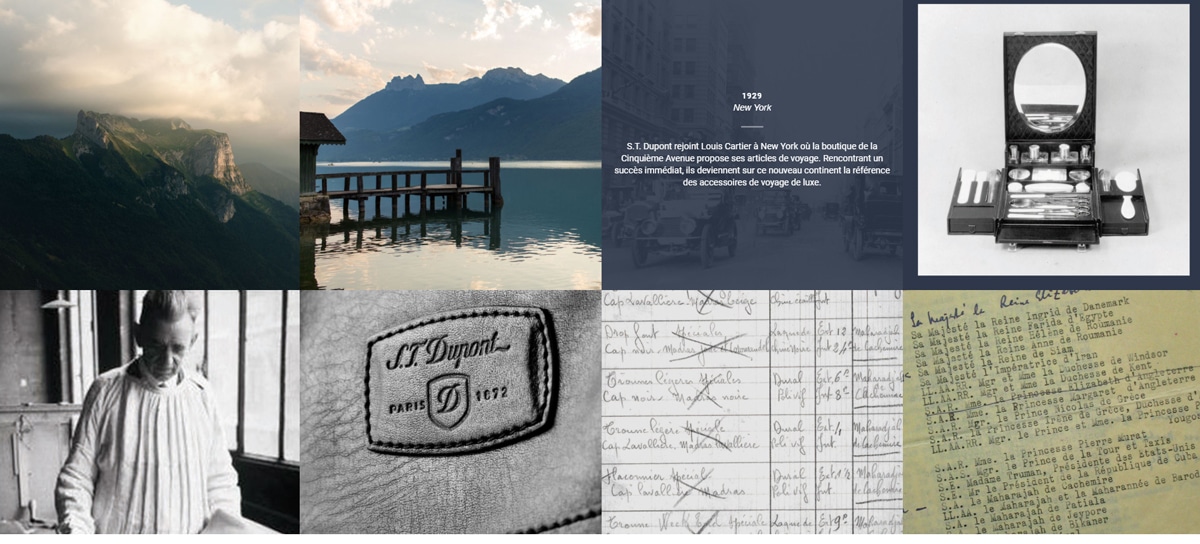
Among their loyal clients: the Maharajah of Patiala, who gives lavish gifts to his hundred or so favorites, Baron Maurice de Rothschild, the Duke of Kent…
The Duke of Windsor gives advice to Lucien Dupont and Al Capone discreetly sends his lieutenant to place an order.
The last briefcase, in lavender blue morocco, was made in 1947 for Princess Elizabeth of England, future queen, on the occasion of her wedding.
How much does an S.T. Dupont briefcase cost?
The employees of the time answer: the price of a house.
The Cartier House is also a client, for Paris and New York, just like the Asprey stores in London, as Dupont's briefcases are decidedly unique.
'Always more beautiful, always more luxurious,' says Lucien Dupont.
It is the euphoria of the interwar period and the intense creativity of the Art Deco era.
The Tissot Dupont brothers are looking for a 'gilding craftsman' expert in fine gold gilding, but the announcement turns into a 'lacquer craftsman.'
Thanks to this providential chance, S.T. Dupont becomes custodian of a well-kept secret:Chinese lacquer on metal.
The first master lacquerer was an astonishing Russian-born character, Novossiltzeff, trained in Jean Dunand's workshop, where the lacquer screens of the Normandy liner were made.
He mixed the lacquer for five consecutive days and worked at night, sheltering from the dust in a tent of damp rags.
Fortunately, his successors were able to transform these empirical methods into a genuine craftsmanship, entirely unique.
Faced with the scarcity of raw materials and customers at the beginning of the war, André Dupont had the idea of using the lighter that was in a travel case.
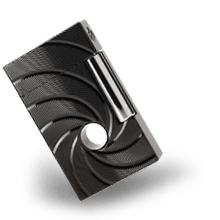
The leather goods maker took advantage of his goldsmithing skills and invented the pocket petrol lighter in 1941.
In 1952, the gas lighter, patented, experienced spectacular success.
The "Ligne 1" model, with a thousand and one variations since its creation, is still a bestseller. It is still manufactured at that day.
In the 1960s, the Dupont lighter was still a symbol of social status and good taste, a support for a seductive gesture, a gift marking the entrance into adulthood… owning "a Dupont" was not insignificant.
It is recognized by its sound, the famous metallic "cling," its uniqueness, a sign of recognition among elites and insiders.
The brand truly takes its place among the great names of French luxury.
In 1973, the first S.T. Dupont ballpoint pen and in 1974, S.T.Dupont launches its first fountain pen.
In 1977, S.T. Dupont decided to revive its historic know-how. The brand launches a new range of small leather goods.
It is the rebirth of legitimacy for this company.
In 1989, S.T. Dupont expands its influence with a new offering: accessories.
It is the birth of a new art for S.T. Dupont: The Art of Seduction
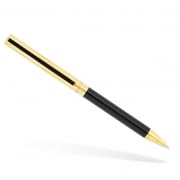
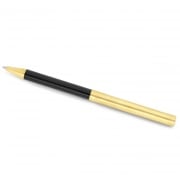
The brand innovates by creating the first luxury goldsmith pen.
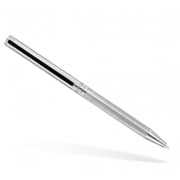
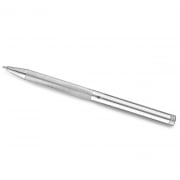
A solid silver ballpoint pen, with a very slender line. It is a ballpoint because it is new, and "trendy."
The launch at Maxim's is a true Parisian event.
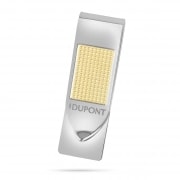
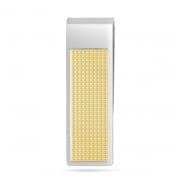
Next will come watches, the return of leather goods, men's accessories: cufflinks, belts, tie clips...
In 1996 the writing family expands with the "Olympio" range, which goes from mini to XL.
The style asserts itself, the brand innovates while remaining faithful to its vocation of luxury and exception.
S.T. Dupont revisits its values and its graphic language.
The House takes its true dimension as a global luxury brand for men.
It draws from its heritage to innovate and offer emblematic creations on the scale of those of the past.
Inspired by cross-grain leather Exclusive, created in the 1930s for its sumptuous travel cases, the brand launches a line of leather goods that is both classic and contemporary: Contraste.
The following year, S.T. Dupont revisits the old cases in a very contemporary way with the DJ Case and the Vice Case, the ultimate symbol of the brand's refinement and expertise.
Then, continuing this return to its roots, the Windsor lighter, created at the request of the Duke in 1952, is reissued in 2006.
In 2007 the brand celebrates its 135th anniversary!
The Tissot family lived in Haute-Savoie, a French region in the heart of the Alps. They lived next to a bridge.
They were commonly called "the Tissots of the bridge," which later became Tissot Dupont.
Simon Tissot Dupont moved to Paris in 1872 and began making leather briefcases for diplomats and businessmen.
In 1900, Empress Eugénie decided to sponsor S.T. Dupont after a visit to the workshop.
Simon Tissot Dupont dies in 1922.
His sons, Lucien and André take over the family business. They choose to develop increasingly luxurious items.
Between 1922 and 1929, Lucien and André recruit the best artists and craftsmen. They open a second workshop in Faverges in addition to the Parisian workshop.
In 1929, in response to the economic crisis, Lucien and André adopt a diversification strategy towards the very high-end with increasingly luxurious exceptional pieces.
From 1935, to adapt to new lifestyles, Lucien and André discover and adopt lacquer to make the items carried in briefcases lighter.
The last precious briefcases were created for famous women.
Among others, for the marriage of Queen Elizabeth to the Duke of Edinburgh in 1942.
For Mrs. Truman, First Lady of the United States, Gift from Vincent Auriol in 1950.