Français
 Italiano
 Deutsch
 Español
 Português
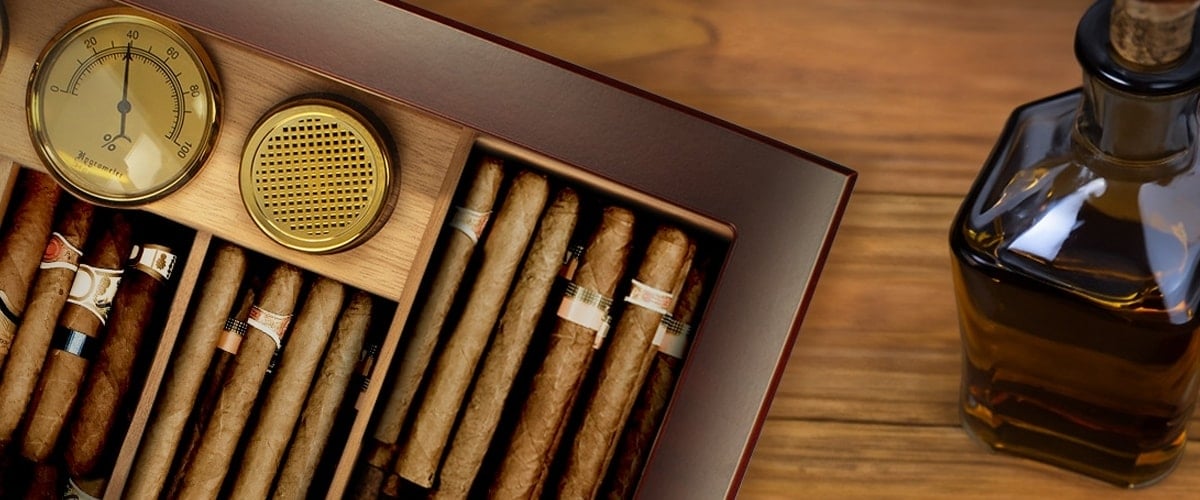
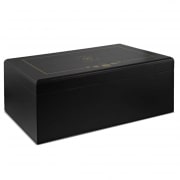
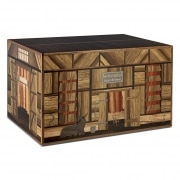
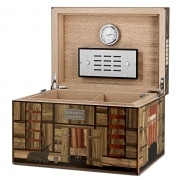
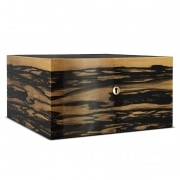
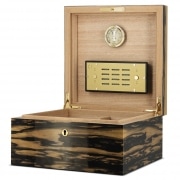
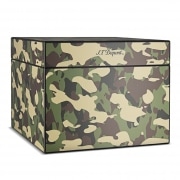
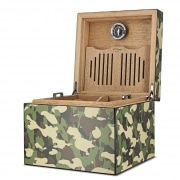
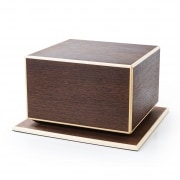
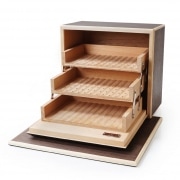
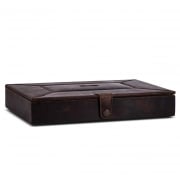
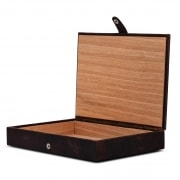
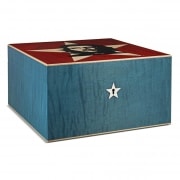
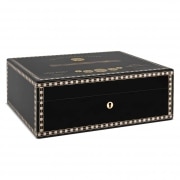
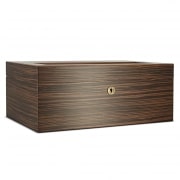
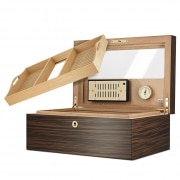
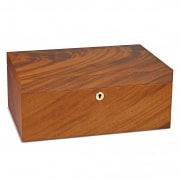
There is a multitude of cigar humidors, suited to everyone's needs and tastes. The choice of a cigar humidor mainly depends on the budget, but also on the aesthetics. Some enthusiasts prefer classic models, while others favor more original designs, such as a humidor with a glass lid, made of plexiglass, or exotic wood.
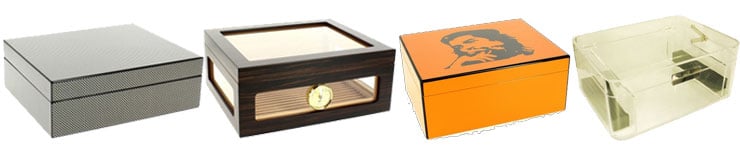
Advice: If you choose a humidor with a glass lid, avoid placing a spotlight directly on it. The heat from this light can alter the temperature and humidity, thus affecting the preservation of your cigars.
Cigar humidors are divided into several categories, adapted to different uses:
The material of a cigar humidor plays an essential role in the preservation of your cigars.
Here are the main materials used:
Cigar humidors are available in different sizes to meet the needs of each user:
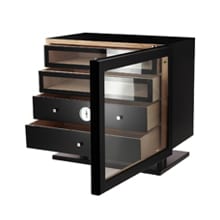
Some cigar humidors are specifically designed to accommodate cigar boxes directly. This type of humidor offers the advantage of keeping the cigars in their original packaging, which can be appreciated by enthusiasts who wish to preserve the aesthetic integrity or identification of the cigars.
This choice is particularly prized by aficionados who prefer to have a substantial stock at home rather than regularly going to a tobacconist to complete their collection.These cellars generally offer a larger capacity and are ideal for those who have a wide variety of boxes.
Their internal structure is often designed to ensure an even distribution of humidity and temperature around the boxes, thus ensuring optimal preservation.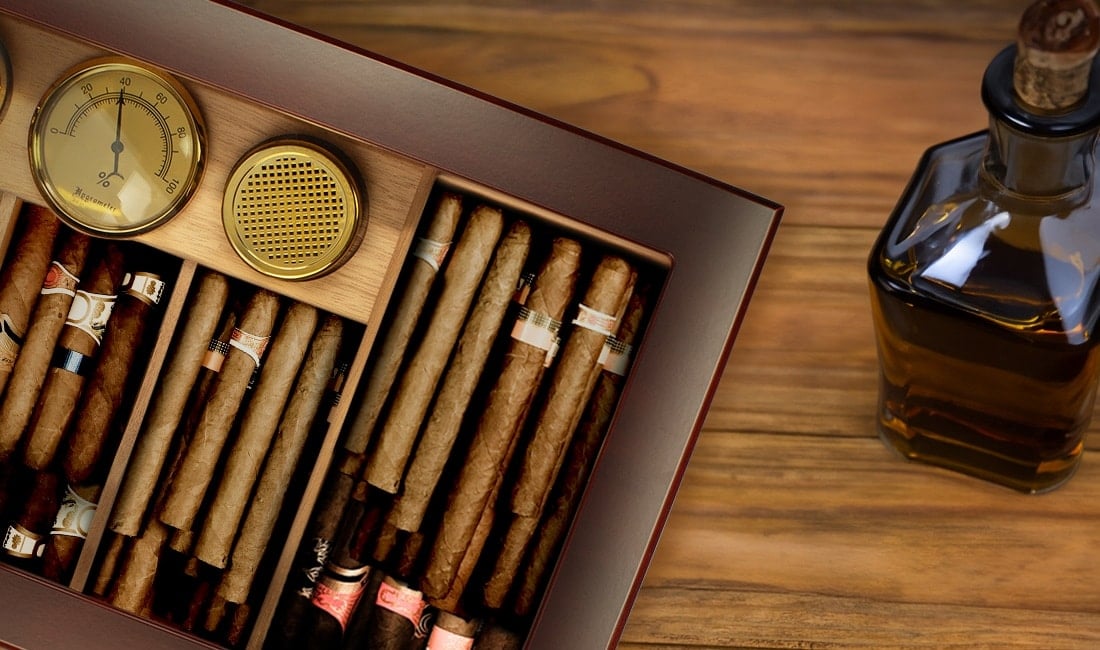
Spanish cedar ("cedrela odorata") is the most commonly used wood species for lining cigar humidors. This wood is known for its high capacity to absorb moisture, which helps stabilize the humidors' internal environment and prevent mold. Although its name suggests an Iberian origin, Spanish cedar actually comes from Latin America, where climatic conditions allow optimal production. In addition to its technical properties, this wood gives off a woody scent.subtle which enhances the sensory experience of cigar enthusiasts.
American red cedar is another popular option for lining humidors. This wood is known for its natural resistance to insects and its ability to absorb moisture. It offers a slightly more fragrant alternative than Spanish cedar, which may appeal to enthusiasts seeking a more pronounced olfactory ambiance in their humidor.
Honduran mahogany is a noble wood species, often chosen for its aesthetic qualities and robustness. It provides effective thermal insulation and helps maintain stable humidity. This wood is less absorbent than cedars, but it excels in terms of durability and resistance to temperature variations, making it an excellent choice for high-end cellars.
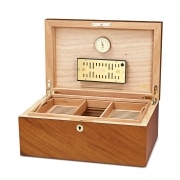
Regardless of the type of wood used, it is essential to equip your cigar humidor with a properly calibrated hygrometer and thermometer. These tools allow you to monitor and adjust the internal conditions to ensure optimal preservation of your cigars, maintaining an ideal humidity level (65-70%) and a stable temperature (18-20 °C).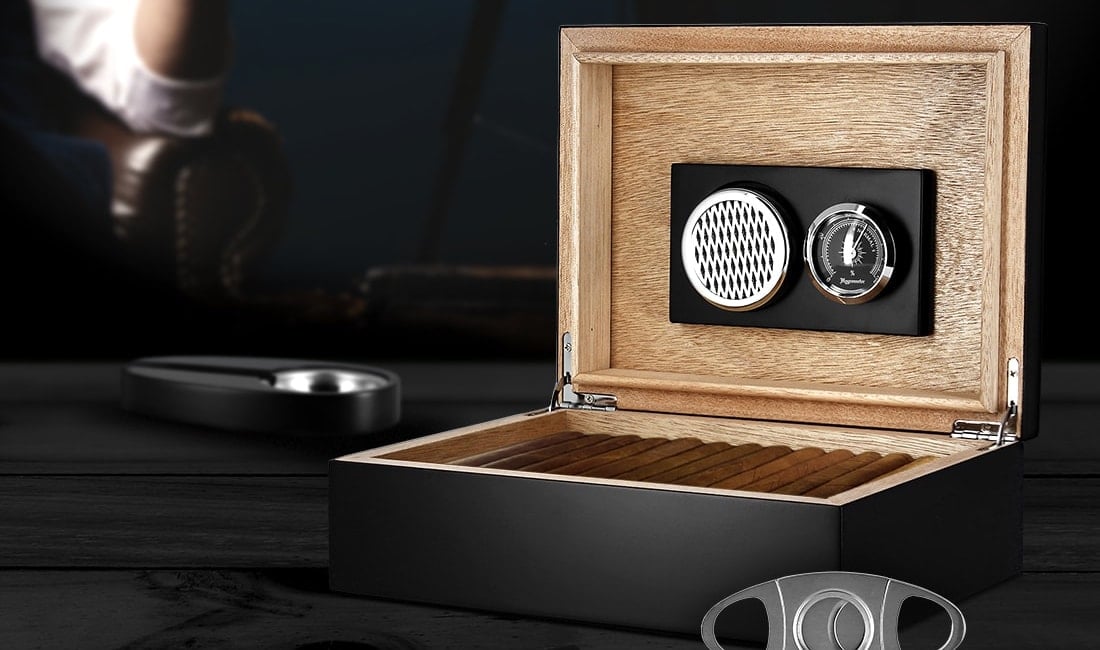
Recent cigar humidor models often incorporate technologies to facilitate preservation:
Each type of humidor has its own advantages.
Here is a summary to help you choose:
The choice of the perfect cigar humidor depends on your needs, your budget, and your tastes. Whether you are a beginner or a collector, there is a suitable solution to protect your cigars while adding an elegant touch to your interior.Take the time to evaluate your priorities and explore our selection of cigar humidors to find the one that suits you best.