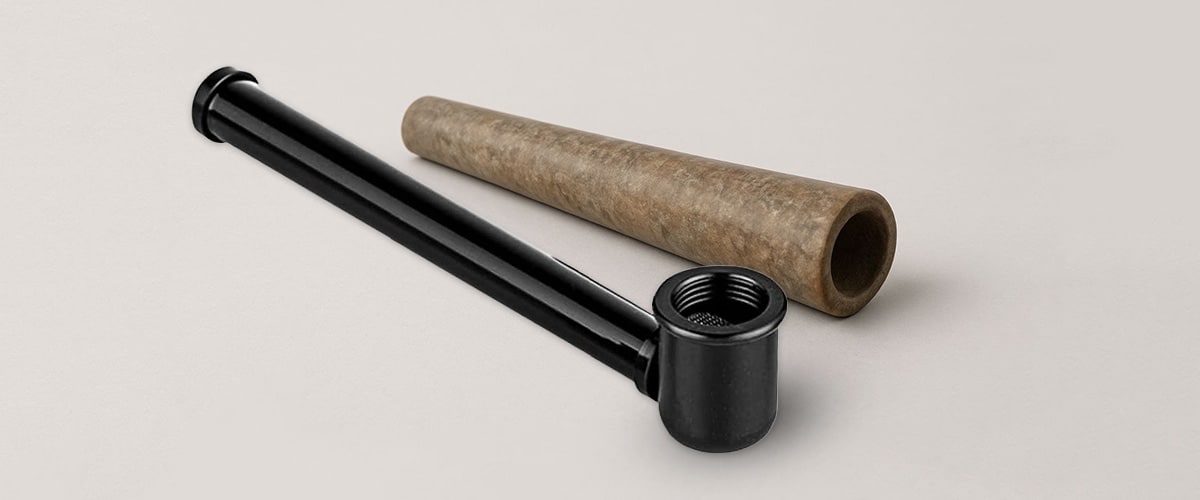
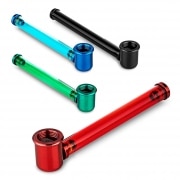
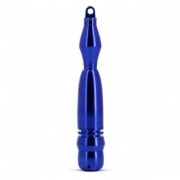
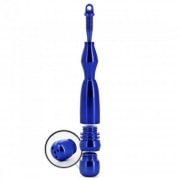
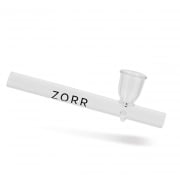
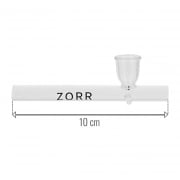
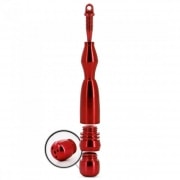
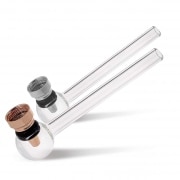
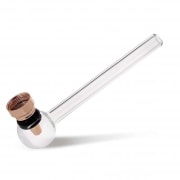
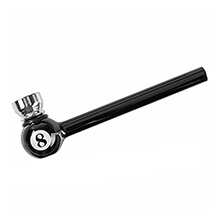
At first glance, the dry pipe and the chillum may seem similar: two iconic accessories, two compact formats. However, their history, materials, and use reveal marked differences. This article guides you to better understand these two objects, their heritage, and their specificities, in order to choose the one that best suits your expectations.
The dry pipe: definition, shapes, and materials
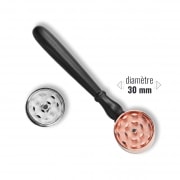
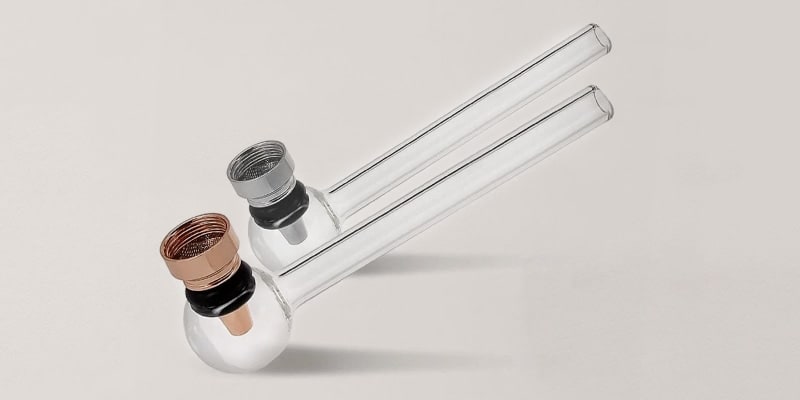
The dry pipe is an accessory composed of a bowl connected to a stem. It comes in many shapes (straight, curved, mini pipes) and in various materials.
Common Materials
- Wood : the finish is traditional and warm, appreciated for its natural aesthetic.
- Metal : it stands out for its robustness, modularity, and easy maintenance.
- Glass : this material is neutral in taste and offers a transparent appearance, but requires frequent cleaning.
- Ceramic / Stone : these materials retain heat well and allow for original decorative finishes.
General characteristics
- Ease of use : the format is intuitive, with a hearth that is easy to fill.
- Direct draft : the flue is short, which concentrates heat and intensity.
- Format : the dry pipe exists in a very compact pocket version as well as in a larger model.
The chillum: Indian heritage and tube design
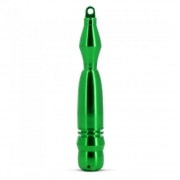
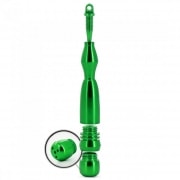
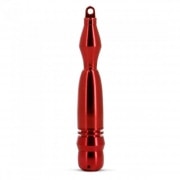
The chillum (or chillum) is an ancestral accessory originating from the Indian subcontinent. It comes in the form of a conical or cylindrical tube, often made of stone, terracotta, ceramic, or glass.

Key points
- Linear form : the chillum is recognized by its straight tube ending in a conical bowl.
- Inertia : its mineral materials retain heat well for regular use.
- Handling : its use is based on traditional gestures that vary according to the models.
Comparison: dry pipe vs chillum
Design & ergonomics
- Dry pipe : it combines a separate bowl with a stem, which can be curved or straight, with a comfortable mouthpiece.
- chillum : its design is straight and minimalist, and it is generally held vertically.
Materials & perceived finish
- Dry pipe : it can be made of wood, metal, glass, or ceramic, offering a wide variety of styles.
- chillum: it is most often made of stone, terracotta, ceramic, or glass, which gives it a raw and traditional appearance.
Use & sensations
- Dry pipe: its short stem allows for a direct draw and a compact size suitable for a quick grip.
- chillum: its elongated and straight tube provides a different experience, marked by its conical design.
Maintenance & practicality
- Dry pipe : metal or glass models are often detachable, which makes cleaning easier.
- chillum : its straight interior can be cleaned using a brush suited to the diameter of the tube.
Summary table
| Criterion |
Dry pipe |
chillum |
| Shape | Composed of a bowl and a pipe, often curved |
Straight tube, conical or cylindrical |
| Materials |
Wood, metal, glass or ceramic |
Stone, terracotta, ceramic or glass |
| Handling |
Classic mouthpiece, comfortable to use |
Vertical hold and more specific gestures |
| Maintenance |
Removable on certain models, simplified cleaning | Requires a fine brush, beware of lime deposits |
| Style |
Varied design, from the most classic to the most modern |
Sober and minimalist appearance, traditional inspiration |
How to choose: useful questions to ask yourself
- Design preference: if you like curved, intricate, or classic shapes, the dry pipe is ideal. On the other hand, if you are looking for a straight, clean, and minimalist style, the chillum will be more suitable.
- Material: wood is suitable for those who prioritize authenticity, glass for those who want a neutral finish, while metal or stone are recommended for their strength and durability.
- Maintenance : dry pipes made of metal or glass are often detachable and therefore easier to clean. The chillum, with its straight conduit, requires an appropriate brush but remains easy to access.
- Size : choose a dry pipe if you are looking for a compact or pocket-sized model. Prefer a chillum if you want a more substantial accessory that stands as a piece in its own right.
- Budget : Dry pipes exist in all price ranges, from basic models to high-end versions. chillums are often offered at a good value for money, especially in stone or ceramic.
In summary: the dry pipe is suitable for those who want variety, practicality, and a versatile size, while the chillum will appeal to enthusiasts of traditional, sturdy objects with a minimalist style.
Maintenance & cleaning
Regular maintenance extends the life of the accessory and preserves its appearance.
Here are tips adapted to the materials :
- Removing residues : use a pipe cleaner, a fine brush, or a suitable cotton swab.
- Glass/Metal : perform an occasional soak in an appropriate solution, then rinse with lukewarm water before drying completely.
- Wood: avoid any prolonged soaking and favor a slightly damp brush or cloth.
- Ceramic/Stone: gently brush the inside, rinse without causing thermal shock, and let dry completely.
- Frequency: a light and regular cleaning is recommended, complemented by a deep cleaning from time to time.
FAQ
Is a chillum a pipe?
The chillum does belong to the pipe family, but its straight tube shape and mineral materials make it a standalone accessory.
Which material would require the least maintenance?
Models made of metal or glass are generally easier to disassemble and clean. Wood requires more precautions.
Is there an "ideal" size?
The ideal size mainly depends on the comfort sought: weight, length, and balance influence handling and maintenance.
In conclusion, whether you are attracted by the practicality of a dry pipe or by the authenticity of a chilum, the choice depends above all on your tastes and habits. To explore even more accessories and find the one that suits you, discover the full range of our head shop at Smoking.fr.

 Français
 Italiano
 Deutsch
 Español
 Português