Français
 Italiano
 Deutsch
 Español
 Português
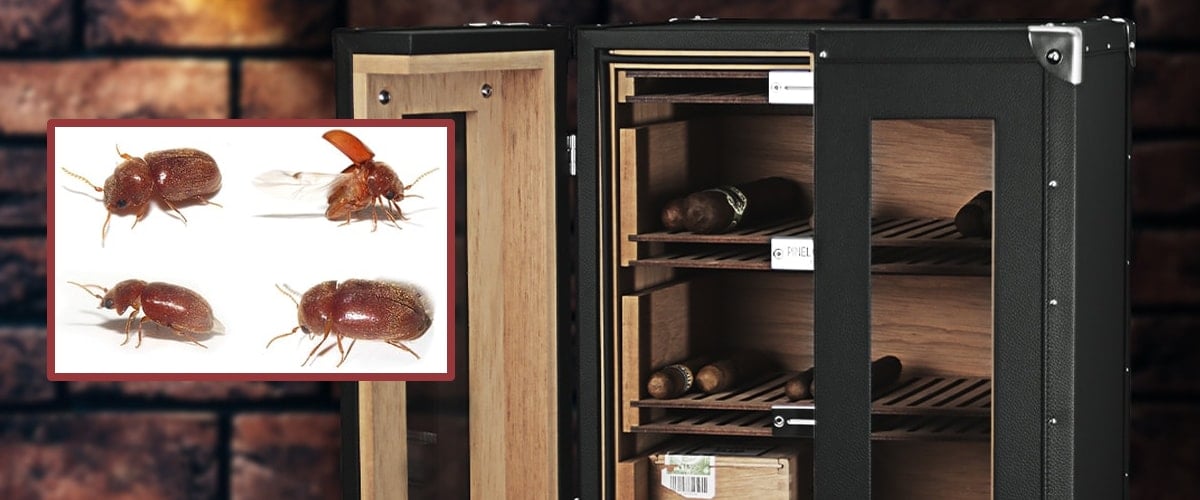
The Lasioderma serricorne, commonly called cigarette beetle or "tobacco worm," is a small insect about 2 to 3 mm long. Recognizable by its humped thorax and smooth elytra, this insect often goes unnoticed. The larvae of the lasioderma closely resemble those of the drugstore beetle, another pest insect. Their life cycle is fast, about 25 days at a temperature of 30 to 35°C, but they do not survive below 17°C.
This insect is very mobile, capable of flying and infesting various products such as tobacco, cereals, dried fruits, or even spices. If you notice small perfectly round holes, similar to pinheads, on your cigars, this may be a sign of an infestation by the cigarette beetle.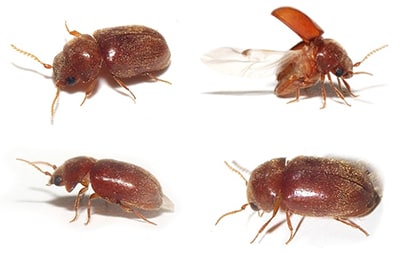
The cigarette beetle is a formidable enemy for cigar enthusiasts. Indeed, the insect devours the cigar from the inside, making the first signs of infection difficult to detect. If nothing is done, the infection can spread quickly throughout your humidor, reducing your precious cigars to dust. It is, without a doubt, one of the worst threats to a cigar collection.
If you notice the presence of lasioderma, here are the emergency measures to take:
This process is essential to try to save part of your collection.
It's better to prevent than to cure.
Here are some tips to protect your cigar humidor:
Specialists also offer already frozen cigars, which considerably reduces the risk of introducing insects into your collection.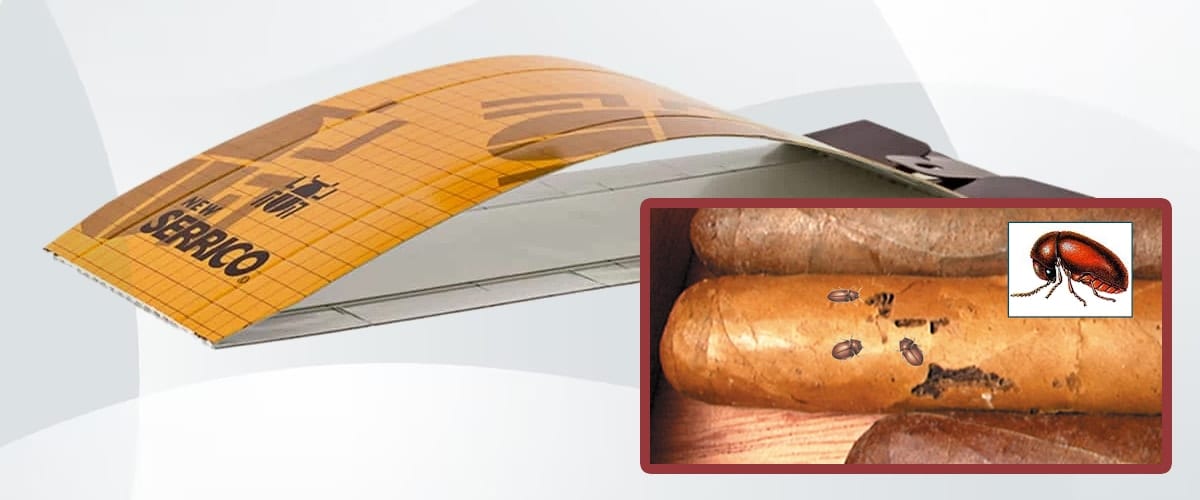
A lasioderma infestation can come from cigars brought back during your travels to producing countries such as Cuba, Dominican Republic or Honduras.Unlike cigars imported by official distributors, which are systematically frozen before being marketed, these cigars may contain eggs or larvae.
Before storing your cigars directly in your humidor, make sure to freeze them for three days to eliminate any possibility of infestation.
The cigarette beetle is a serious threat to your cigars, but with increased vigilance and proper preventive measures, you can protect your collection. Consider investing in a cigarette beetle trap and properly managing the temperature of your humidor. If an infestation occurs, act quickly to limit the damage.