Français
 Italiano
 Deutsch
 Español
 Português

Choosing cigarette tubes may seem complicated, but it is actually very simple. Here is clear and easy-to-understand information to help you choose the cigarette tubes that suit you based on filters, sizes, paper, and new regulations. Taking the time to understand these criteria will allow you to better meet your needs and preferences, while also considering practical and environmental aspects.
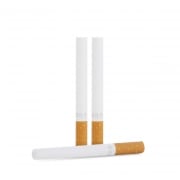
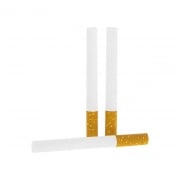
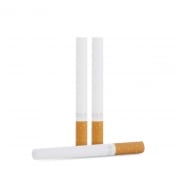
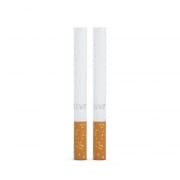
Cigarette tubes are empty shells with a filter at the end, ready to be filled with tobacco. They allow you to make your own cigarettes at home while having an appearance similar to commercial cigarettes. By using tubes, you also have the freedom to choose the type of paper and filter that suits you best. This represents a flexible solution for people who want to control the quality of their cigarettes.
The tubes mainly differ by the type of filter, the paper used, and the size. Here are the main categories you can find on the market:
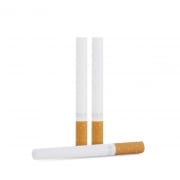
- Standard filters : These are the classic, most common filters, which offer normal filtration. These filters contain plastic, which requires them to display a blue or red logo with a turtle. This logo was implemented to raise awareness about their environmental impact.It indicates that these filters, if not disposed of properly, can pollute aquatic ecosystems and harm marine wildlife that may ingest them accidentally.
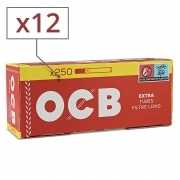
- Extra-long filters : They resemble standard filters, but they are about 25% longer on the inside. This allows less tobacco to be put into the tube while maintaining the external appearance of a standard cigarette. Extra-long filters are an economical solution for people who want to reduce their tobacco consumption. It should be noted that the standard filter is shorter atthe inside than the colored part visible at the end of the tube.
- Charcoal filters: These filters contain activated charcoal, which improves smoke filtration. This helps reduce certain impurities and provides smoother smoke. Charcoal filters are particularly appreciated by smokers who are looking for a less harsh sensation.
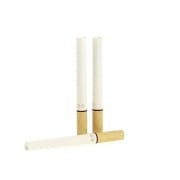
- Paper filters: They comply with the new environmental regulations by replacing plastic. These filters, often made from natural materials, are a more ecological alternative. They do not bear the blue or red logo with the turtle since they do not contain plastic.
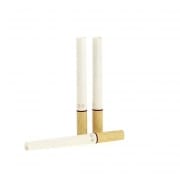
- Unbleached filters: They have a natural brown color because they do not undergo chemical treatment to be bleached. This missing step reduces the pollution related to their production, making them a more environmentally friendly option.
- White filters: White in color, these filters offer the same characteristics as brown filters (cork-like appearance). Their choice is mainly aesthetic and does not change the filtration performance.
- Menthol Filters: Banned since May 20, 2020, in France. This ban results from legislation aimed at preventing any modification of the taste of tobacco so as not to influence consumers.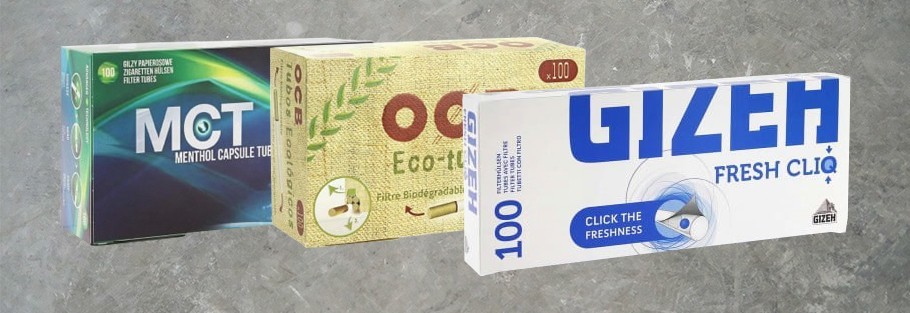
- Standard Paper: This is the most commonly used paper for tubes. It is thin, which allows for even and regular combustion.
- Unbleached Paper : Naturally colored, this paper has not been chemically treated for bleaching. It provides a more eco-friendly and natural alternative, appreciated for its lower environmental impact during production.
- High-Quality Paper : Some tubes use so-called "French paper," known for its higher quality. This paper ensures a regular and clean burn while offering better durability.Unlike tubes made with paper from China or other Asian countries, often of inferior quality, French paper is perceived as a guarantee of trust.
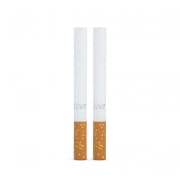
- Standard size (85 mm in length) : This is the classic size of regular cigarettes, ideal for daily use.
- 100's size : Longer than standard tubes, these tubes measure about 100 mm. They are suitable for people who prefer longer cigarettes.
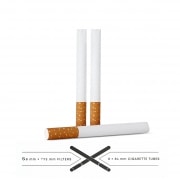
- Diameter difference: Some tubes offer slimmer diameters, allowing you to use less tobacco:
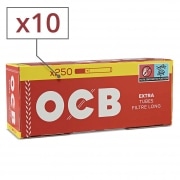
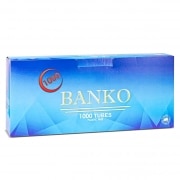
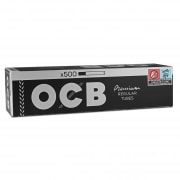
Cigarette tube boxes are available in different sizes to suit your consumption:
The choice of size mainly depends on your consumption frequency and your needs.
Since the European directive on single-use plastic products, filters containing plastic must display a special logo. This logo, often blue or red, shows a turtle accompanied by a filter thrown into the water. It aims to raise consumer awareness aboutThe impact of plastic filters on the environment, particularly the oceans and marine wildlife. Even though these filters are convenient, it is important not to throw them anywhere. A filter loaded with nicotine and combustion residues remains a polluting waste for the environment.
Paper filters are a more ecological and responsible alternative. In addition to not containing plastic, they benefit from reduced taxation, which encourages their adoption.
There is today a wide choice of cigarette tubes, suited to all needs. Whether you choose standard filters, extra-long, charcoal, paper or unbleached, or whether you prefer classic sizes or 100’s, it is important to know these options well. Also consider choosing the type of paper that suits you best: standard, unbleached, or high quality. Finally, the new regulations on filters containing plastic and warning logos remind you of the importance of disposing of your filters properly to protect the environment.
By taking these criteria into account, you will be able to choose tubes suited to your needs, while making a more responsible and informed choice.