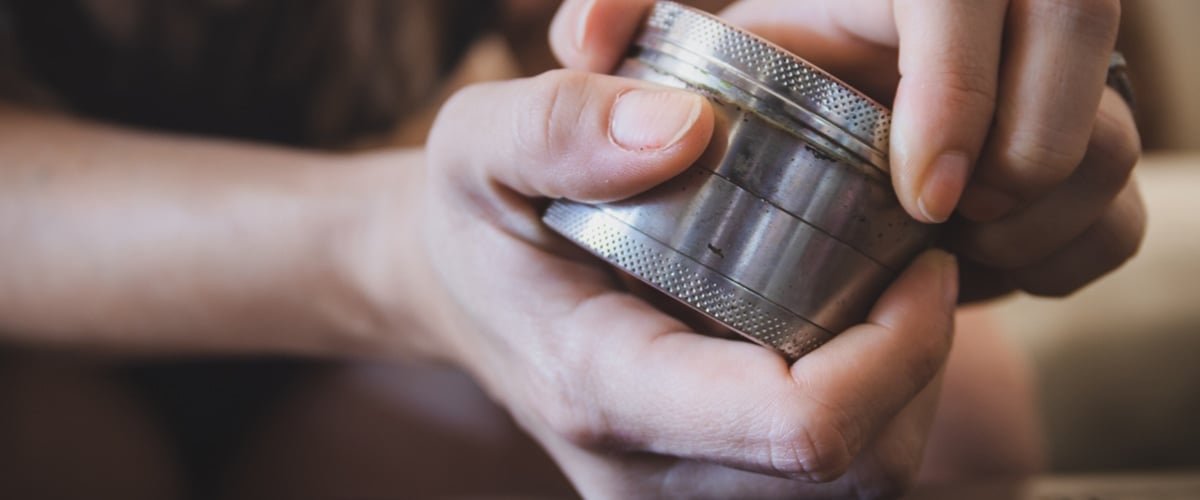
Complete guide to effectively cleaning your grinder
A clean grinder ensures optimal use and extends its lifespan. Discover simple methods suitable for each type of material to maintain your accessory.
Why is it essential to clean your grinder?
- Increased performance: A residue-free grinder ensures homogeneous and efficient grinding.
- Durability : Regular maintenance prevents premature wear and preserves the quality of the accessory.
- Hygiene : Removing residues prevents mold growth and ensures healthier use.
Recommended cleaning frequency
The frequency depends on your usage. Monthly cleaning is recommended for moderate use, while daily use may require weekly maintenance.
Cleaning methods according to the grinder material
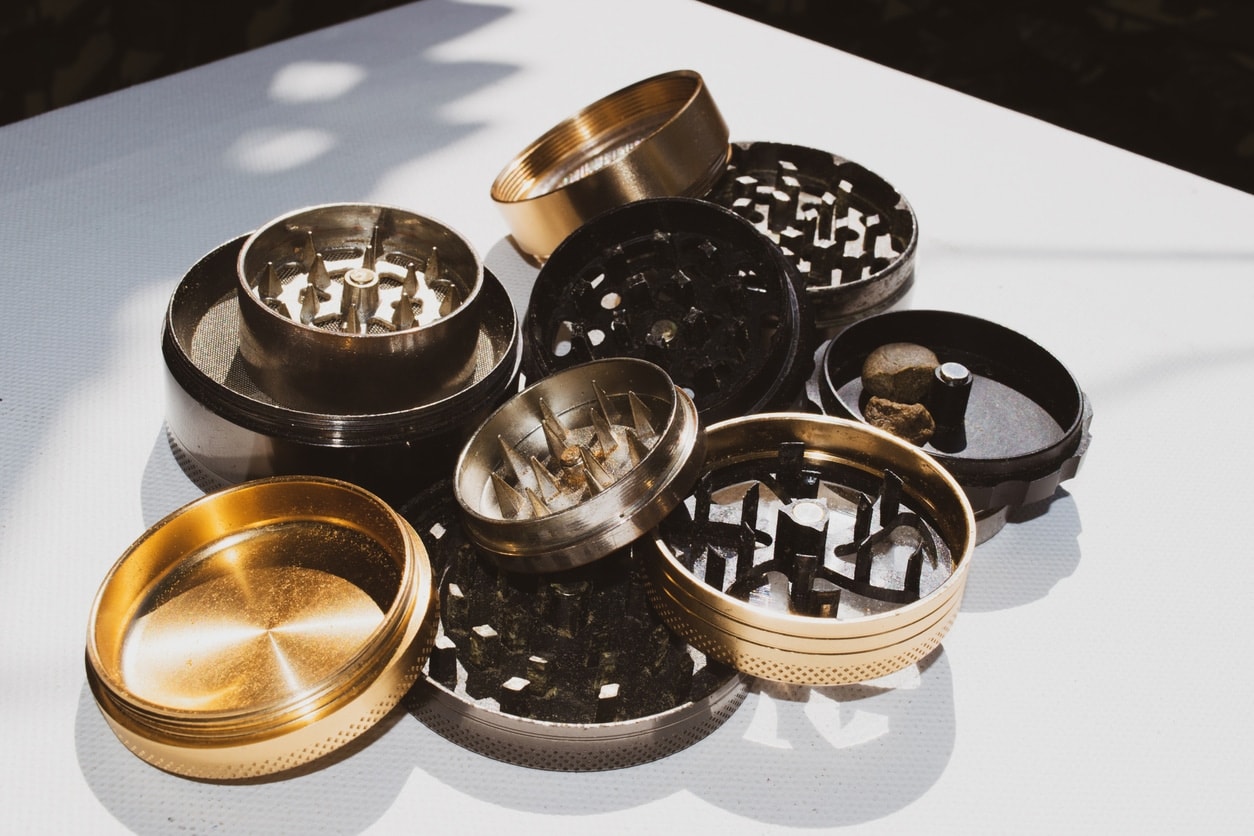
- Disassembly: Separate all parts of the grinder.
- Dry cleaning: Use a toothbrush or a brush to remove visible residues.
- Soaking: Submerge the pieces in isopropyl alcohol for 20 to 30 minutes.
- Brushing : After soaking, brush each piece to remove remaining residues.
- Rinsing and drying : Rinse thoroughly with warm water and let air dry.
Plastic grinder
- Disassembly : Separate all parts.
- Dry cleaning : Brush to remove residues.
- Hot water bath : Soak the parts in hot (not boiling) water for a few minutes.
- Brushing : Clean with a toothbrush to remove remaining deposits.
- Rinsing and drying : Rinse with clear water and let dry completely.
Wooden grinder
- Dry cleaning : Use a soft brush to remove residues without damaging the wood.
- Application of oil : Gently rub with a cloth soaked in neutral vegetable oil to nourish the wood and make cleaning easier.
- Drying : Wipe off excess oil and let air dry.
Additional tip : using the freezer
Placing your disassembled grinder in the freezer for several hours will harden the residues, making them easier to remove during dry cleaning.
By following these adapted methods, you will ensure effective maintenance of your grinder, thus guaranteeing an optimal and lasting experience.

 Français
 Italiano
 Deutsch
 Español
 Português